

09/07/2026
Key Takeaways
Transitioning to Battery Electric Vehicle (BEV) Trucks has become a strategic initiative for logistics companies seeking to reduce operating costs, improve fleet efficiency, and achieve sustainability goals.
However, the success of fleet electrification depends on more than simply purchasing electric trucks. Businesses should evaluate actual fleet operating patterns, analyze Total Cost of Ownership (TCO), and develop the right charging infrastructure to maximize long-term return on investment.
Table of Content
Thailand's logistics industry is facing growing challenges, including volatile fuel prices, rising maintenance costs, and increasing sustainability expectations from customers, investors, and regulators.
As a result, many fleet operators are considering Battery Electric Vehicle (BEV) Trucks as a practical solution to improve operational efficiency while reducing long-term operating costs.
However, transitioning to BEV trucks involves much more than replacing diesel vehicles. It requires strategic planning across finance, operations, and charging infrastructure to ensure a successful and financially sustainable investment.
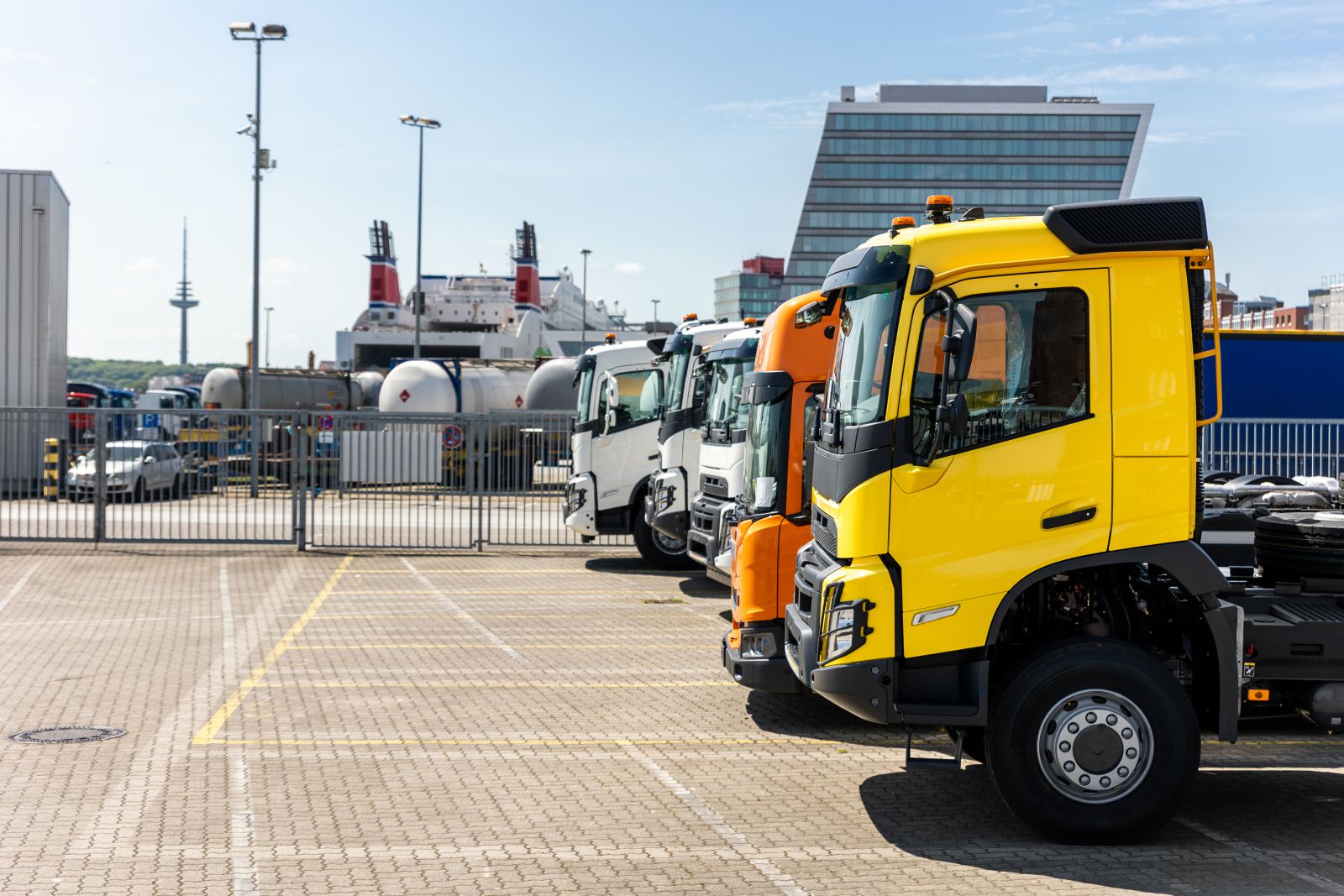
Thailand's logistics sector continues to expand alongside e-commerce growth, manufacturing activity, and international trade.
At the same time, fleet operators are under increasing pressure from fluctuating fuel prices, rising maintenance expenses, and growing customer expectations for lower greenhouse gas (GHG) emissions.
Consequently, many organizations are accelerating Fleet Electrification as a strategy to improve operational efficiency, reduce costs, and support ESG and Net Zero objectives.
This trend aligns with global market developments. According to the IEA Global EV Outlook 2026, global electric truck sales exceeded 400,000 units in 2025 for the first time, representing approximately 9% of total truck sales. Sales of heavy freight electric trucks nearly tripled compared with the previous year, and the IEA projects electric trucks will account for 20% of global truck sales by 2035.
|
Criteria |
BEV Truck |
Diesel Truck |
|
Energy Cost |
Lower and more predictable |
Subject to fuel price volatility |
|
Maintenance |
Fewer moving parts |
Complex engine and transmission systems |
|
Emissions |
Zero tailpipe emissions |
Produce exhaust emissions |
|
Noise |
Low |
High |
|
Best Suited For |
Fixed routes and short-to-medium distances |
Flexible operations, including long-haul transport |
Note: The economic advantages of each technology depend on route distance, operating conditions, payload, and energy costs.
Compared with diesel trucks, BEV trucks often provide significantly lower energy costs per kilometer because electric motors convert energy more efficiently than internal combustion engines.
In addition, electric drivetrains contain far fewer moving components, reducing maintenance requirements by eliminating items such as:
These advantages help businesses reduce Operating Expenses (OPEX) while minimizing vehicle downtime over the long term.
Electric motors deliver maximum torque instantly, making BEV trucks particularly suitable for operations requiring frequent stopping and starting, such as urban distribution.
Furthermore, the Battery Management System (BMS) continuously monitors battery performance, helping optimize charging strategies and extend battery lifespan.
A Broader Perspective on Investment
Organizations should evaluate BEV investments based on Total Cost of Ownership (TCO) rather than vehicle purchase price alone.
A comprehensive TCO assessment includes:
Electric motors deliver maximum torque instantly, making BEV trucks particularly suitable for operations requiring frequent stopping and starting, such as urban distribution.
Furthermore, the Battery Management System (BMS) continuously monitors battery performance, helping optimize charging strategies and extend battery lifespan.
A Broader Perspective on Investment
Organizations should evaluate BEV investments based on Total Cost of Ownership (TCO) rather than vehicle purchase price alone.
A comprehensive TCO assessment includes:

Although BEV trucks are becoming increasingly popular, they are not the ideal solution for every transportation application.
Fleet suitability should always be evaluated based on actual operating data.
Well-Suited Applications
For long-haul transportation, organizations should carefully evaluate charging infrastructure availability, daily driving distances, and charging schedules before deployment.
Fleet electrification should begin with operational data analysis rather than vehicle specifications alone.
Key considerations include:
Analyze:
This information helps determine the appropriate battery capacity and charging solution.
Compare lifetime ownership costs, including:
When installing Depot Charging systems, organizations should evaluate:
According to the IEA (2026), most successful commercial electric truck deployments rely on depot charging, with average driving ranges of approximately 300 km per charge, making them highly suitable for urban and medium-distance logistics operations.
Drivers and maintenance personnel should receive training covering:
Businesses should also ensure suppliers provide comprehensive after-sales support and clearly defined battery warranty terms.
Fleet Electrification Checklist
Before investing, ask the following questions:
✓ What is your fleet's average daily mileage?
✓ Do vehicles operate on fixed routes?
✓ Is there sufficient space for charging stations?
✓ Can vehicles be charged overnight?
✓ Do you have accurate fleet operating cost data?
✓ Does your organization have ESG or Net Zero targets?
If the answer to most of these questions is Yes, your business may be well positioned for a successful BEV truck transition.
Transitioning to BEV trucks is more than replacing vehicles—it is about developing a long-term strategy to improve operational efficiency, reduce costs, and support your organization's sustainability goals.
Effective planning enables businesses to select the right solutions for their fleet while maximizing long-term return on investment.
As a trusted distributor of commercial BEV trucks, Toyota Tsusho supports customers through every stage of fleet electrification, including:
Whether you are evaluating the financial viability of BEV trucks or preparing to electrify your logistics fleet, our specialists provide end-to-end consultation—from operational analysis and TCO evaluation to charging infrastructure design and vehicle selection.
For more information, please contact us at +66 (0)2-825-5555.
Explore More
References
A: BEV trucks are ideal for transportation operations with predictable routes and travel distances, including last-mile delivery, regional distribution, factory logistics, and FMCG distribution. Long-haul operations are also possible, but businesses should carefully evaluate daily driving distances, charging infrastructure availability, and fleet schedules before investing.
A: In many applications, yes. BEV trucks typically have lower Operating Expenses (OPEX) because electricity costs per kilometer and maintenance expenses are generally lower than diesel vehicles. However, investment decisions should be based on Total Cost of Ownership (TCO), including purchase price, electricity, maintenance, battery life, residual value, and actual fleet utilization. In Thailand, the break-even period is often estimated at approximately 3–4 years, depending on operating conditions.
A: Businesses should evaluate electrical capacity, available space for Depot Charging, load management systems, and optimal charging schedules. Fleets operating medium- or long-distance routes should also assess the availability of public charging infrastructure along their operating corridors.
A: Battery lifespan depends on several factors, including driving behavior, charging frequency, operating temperature, and battery management. Modern Battery Management Systems (BMS) optimize battery performance and extend service life. Most manufacturers also provide battery warranties based on time or mileage, making strong after-sales support and technical expertise important factors when selecting a supplier
 TTTC Audit