

20/05/2026
Key Takeaways
Electric trucks and electric buses are becoming attractive investment options for businesses that operate fixed transportation routes or regular shuttle services. They can significantly reduce energy costs per kilometer, lower maintenance expenses, and improve long-term fleet management efficiency.
Table of Content
As the global transportation industry faces increasing pressure to achieve Net Zero targets, the transition to Commercial Battery Electric Vehicles (Commercial BEVs) is no longer just a trend—it is becoming the foundation of a new logistics ecosystem.
Many organizations are asking practical questions such as:
This article explores the key technical and business considerations to help organizations make informed investment decisions.
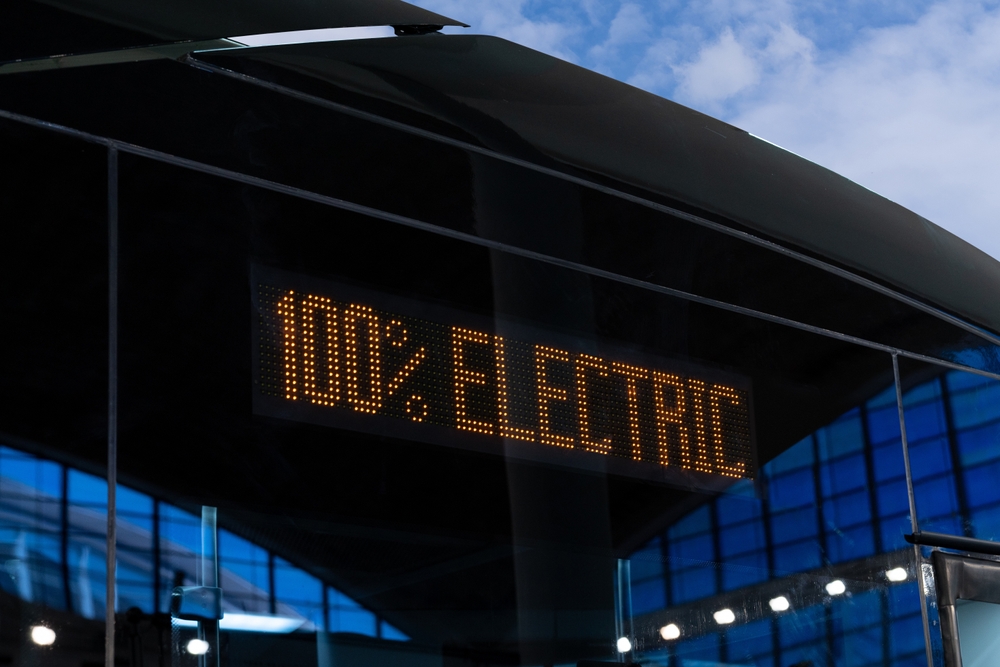
Today’s electric trucks and electric buses have evolved significantly to support real-world commercial operations. Improvements in battery capacity, drivetrain technology, and energy management systems have made them suitable for predictable transportation routes and scheduled operations.
Electric buses typically offer a driving range of approximately 250–300 kilometers per full charge, making them suitable for various applications, including:
In addition, electric buses provide several operational advantages, including quieter operation, reduced vibration, and zero tailpipe emissions. These benefits make them particularly suitable for cities, industrial parks, manufacturing facilities, and organizations seeking to improve passenger and employee travel experiences.
Electric trucks and electric tractor units can generally travel 200–250 kilometers per full charge when operating at full payload capacity.
They are well suited for:
For businesses with predictable transportation schedules, route distances, payloads, and vehicle downtime can be accurately calculated in advance. As a result, charging schedules become easier to manage, and energy costs per kilometer can be reduced significantly.
While vehicle range continues to improve, charging time remains an important operational consideration.
Businesses should evaluate not only vehicle specifications but also the overall operating ecosystem, including transportation schedules, parking locations, delivery cycles, and available electrical capacity.
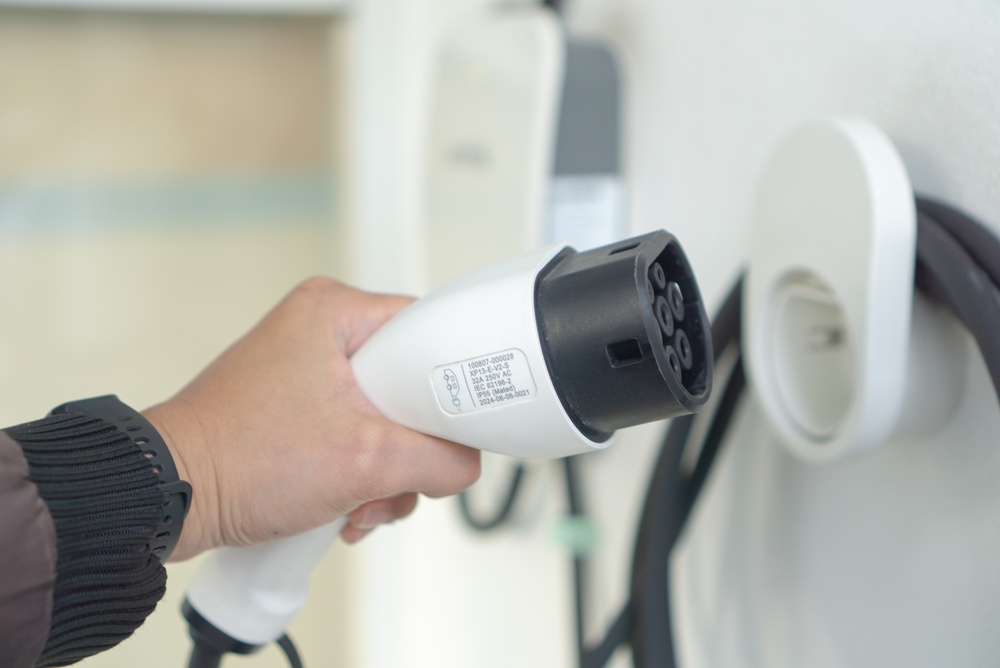
Modern DC Fast Charging technology enables more practical commercial EV operations.
A full charge typically requires approximately 1.5–2 hours, allowing businesses to align charging schedules with operational downtime, such as:
For employee shuttle buses, primary charging sessions may be scheduled during midday breaks or after evening operations to ensure vehicles are ready for the next day.
For electric trucks, charging can be planned during loading periods or after returning to distribution centers at the end of each route cycle.
The true value of electric trucks and buses should be evaluated through Total Cost of Ownership (TCO), which includes:
Research indicates that the lifetime TCO of electric buses can be up to 32% lower than diesel buses, with payback periods often achieved within the first five years of operation.
One of the strongest drivers behind EV adoption is the significantly lower energy cost per kilometer compared with diesel fuel.
This advantage becomes even more meaningful for organizations operating large fleets, frequent routes, and high monthly mileage.
Energy costs per kilometer for EVs can be approximately 60–75% lower than diesel-powered vehicles, creating substantial long-term savings and improving business competitiveness.
Electric vehicles contain significantly fewer moving parts than diesel vehicles.
Without internal combustion engines, engine oil changes, and many complex mechanical systems, maintenance requirements are reduced considerably.
Benefits include:
On average, maintenance costs can be reduced by 30–40%, and in some cases by as much as 50% compared with diesel vehicles.
Commercial EVs deliver the greatest value when deployed on predictable routes such as:
Because route distances, charging windows, and energy consumption can be accurately forecasted, businesses can maximize operational efficiency and cost savings.
Beyond operational savings, electric trucks and buses help organizations demonstrate commitment to:
These factors are becoming increasingly important for multinational customers, investors, and global supply chain partners.
In addition, the Thai government currently offers tax incentives of up to twice the actual purchase value for domestically manufactured electric trucks and buses, further enhancing the financial attractiveness of EV investments.
Toyota Tsusho (Thailand) understands that business EV adoption involves far more than simply purchasing vehicles.
Successful implementation requires an integrated ecosystem that combines global innovation with local operational requirements.
Through our Integrated EV Ecosystem, we provide comprehensive solutions covering:
These technologies help businesses:
Whether you are seeking expert consultation on EV ecosystem development or looking for the right electric truck & bus solution for your operations, Toyota Tsusho (Thailand) provides end-to-end expertise in commercial electric mobility.
For more information, please contact us at +66 (0)2-825-5555.
A: Yes, particularly for businesses operating regular transportation routes and seeking long-term cost savings. Electric vehicles offer lower energy costs, reduced maintenance expenses, and improved ESG performance, making them an attractive option for organizations working with enterprise and multinational clients.
A: Electric buses typically travel 250–300 kilometers per full charge, depending on battery size, passenger load, road conditions, and driving behavior. Using a DC Fast Charger, a full charge generally takes 1.5–2 hours.
A: Electric buses provide the greatest value when operating on fixed daily routes, such as employee transportation within industrial estates, shuttle services, or recurring transit routes. Cost-effectiveness improves further when organizations have on-site charging facilities and use fleet management systems to monitor energy consumption, maintenance, and vehicle readiness.
A: Battery Electric Vehicle (BEV) trucks typically travel 200–250 kilometers per full charge under full-load conditions. Charging with a DC Fast Charger generally requires 1.5–2 hours, making them ideal for businesses with predictable route schedules and structured charging plans.

 TTTC Audit