

05/06/2026
Key Takeaways
Table of Content
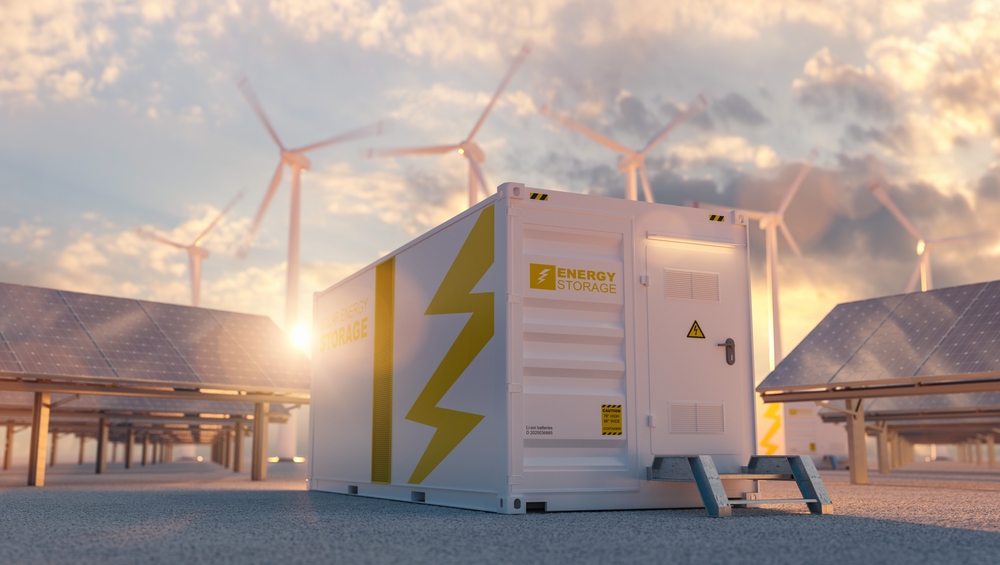
As industrial sectors continue their transition toward clean energy, solar power systems and energy storage solutions are playing increasingly important roles in maximizing electricity efficiency.
At the heart of effective energy management lies the selection of the right Battery Energy Storage System (BESS) based on each facility's unique operational requirements.
Because energy storage systems represent a long-term investment that requires both technological expertise and engineering know-how, choosing the right provider is a crucial decision. Businesses should carefully evaluate equipment standards, system design capabilities, installation quality, and post-installation support to ensure safe, efficient, and cost-effective operation throughout the system's lifecycle.
Selecting the right partner directly impacts the overall performance of a BESS project. Key evaluation criteria include:
Providers with proven installation experience and a strong understanding of site-specific operational requirements are better positioned to deliver successful projects.
A qualified provider should do more than simply supply equipment. They should possess expertise in Electrical System Integration, ensuring seamless coordination between batteries, solar energy systems, and existing electrical infrastructure.
Safety certifications are among the most important considerations when selecting a battery energy storage system.
These standards help minimize risks associated with thermal runaway, electrical faults, and short circuits that could impact facility operations.
A qualified provider should begin with a detailed analysis of energy consumption patterns before designing the system.
Proper sizing of battery energy capacity and power rating helps maximize system efficiency, improve financial returns, and shorten the payback period.
Once a provider has been selected, the next step is understanding the underlying technology to ensure long-term value, safety, and operational flexibility.
Battery technology significantly influences the overall economics of a BESS investment.
Today, Lithium Iron Phosphate (LiFePO4 or LFP) batteries are widely preferred in industrial applications due to their high safety levels, low fire risk, and long service life spanning thousands of charge-discharge cycles.
These advantages contribute to lower long-term operating costs and improved investment returns.
The Battery Management System (BMS) functions as the "brain" of the energy storage system.
It monitors and controls key operating parameters such as voltage, temperature, and state of charge at the cell level to ensure safe and stable operation.
Advanced BMS platforms provide real-time monitoring and intelligent energy management capabilities, including automated charge and discharge scheduling to maximize efficiency.
Businesses should also evaluate whether the system can accommodate future growth.
Modular architectures enable organizations to expand battery capacity as energy demands increase, eliminating the need for complete system replacement. This approach supports phased investment strategies while maintaining budget flexibility.
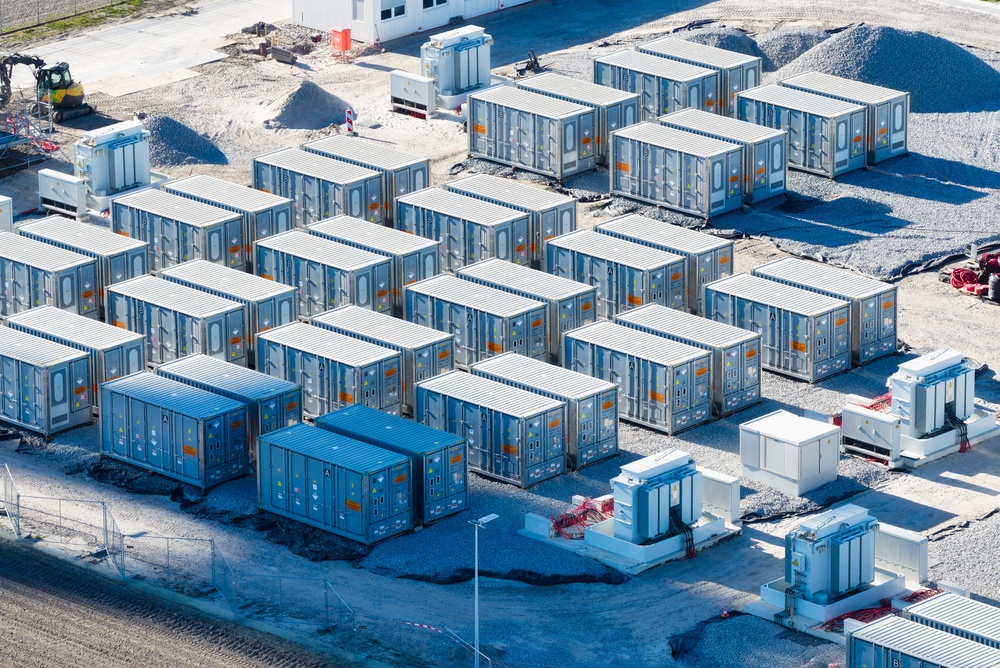
A BESS project does not end after installation. Ongoing maintenance is essential to ensure optimal system performance throughout its lifecycle.
Organizations should review whether the warranty includes battery State of Health (SOH) guarantees.
Because battery performance naturally degrades over time, clearly defined warranty terms help ensure the system continues operating according to its original specifications.
Continuous monitoring systems enable operators to track system status in real time and receive alerts when abnormalities occur.
This capability allows issues to be addressed quickly and minimizes the risk of operational disruptions.
For industrial facilities, response time commitments defined under a Service Level Agreement (SLA) are critically important.
Even a few hours of system downtime can result in significant operational and financial losses.
To maximize business value, BESS investments should be evaluated through accurate financial analysis and long-term economic performance.
Organizations should compare upfront investment costs against actual electricity savings, while also accounting for long-term expenses such as maintenance and cooling systems.
Calculating the Levelized Cost of Energy (LCOE) provides a more comprehensive view of project economics and investment value.
BESS systems reduce electricity costs through two primary mechanisms:
The system supplies stored electricity during periods of peak demand, reducing Peak Load and lowering monthly Demand Charges, which often represent a substantial portion of industrial electricity bills.
The system stores electricity during lower-cost Off-Peak periods and discharges it during higher-cost On-Peak periods, reducing overall energy expenses.
Toyota Tsusho (Thailand) provides comprehensive BESS solutions for factories and industrial facilities, covering every stage of the project lifecycle—from energy analysis and system design tailored to site-specific requirements to professional installation and long-term system management.
Our solutions help businesses improve energy planning accuracy, reduce operating costs, and enhance competitiveness through practical, industry-focused energy strategies.
Explore our other business solutions and learn more about us via company profile video.
For inquiries or additional information, please contact us at +66 (0)2-825-5555.
A: BESS is particularly suitable for facilities with high electricity consumption or highly variable load profiles, such as food manufacturing plants, automotive factories, and facilities operating continuous production lines. These systems help manage energy usage and reduce electricity costs during peak demand periods.
A: The appropriate BESS size should be based on your facility's load profile, peak demand periods, and energy-saving objectives. These factors help determine the optimal energy capacity (kWh) and power output (kW) required for efficient operation.
A: Providers should offer equipment certified to internationally recognized standards such as UL and IEC. They should also provide a qualified Battery Management System (BMS) and services covering system design, installation, and maintenance in accordance with industrial safety requirements.
A: Key considerations include the provider's BESS experience, equipment safety standards, system design capabilities, ability to customize solutions for real-world applications, and the quality of after-sales service and maintenance support.
A: Payback periods vary depending on each facility's energy consumption profile. However, many industrial projects achieve returns within several years when supported by effective energy management strategies such as Peak Shaving and Off-Peak energy utilization.
 TTTC Audit