

05/05/2026
Key Takeaways
Green Steel, or low-carbon steel, is produced through manufacturing processes that significantly reduce or eliminate carbon emissions. Instead of relying on coal-based blast furnaces, Green Steel uses Green Hydrogen for direct iron reduction and Electric Arc Furnaces (EAFs) powered by renewable energy.
As industries worldwide move toward Net Zero targets and carbon border regulations such as CBAM (Carbon Border Adjustment Mechanism), Green Steel is emerging as a strategic solution for reducing Scope 3 emissions across supply chains.
While carbon steel and stainless steel each offer unique advantages in terms of cost and durability, transitioning to low-carbon steel provides a tangible pathway toward ESG compliance and long-term sustainability goals.Table of Content
The introduction of CBAM and global Net Zero commitments is transforming manufacturing industries worldwide. Businesses are increasingly evaluating the carbon footprint of materials used throughout their supply chains.
As a result, understanding what Green Steel is and how it differs from conventional steel has become essential for manufacturers and procurement professionals seeking to align operations with future sustainability requirements.
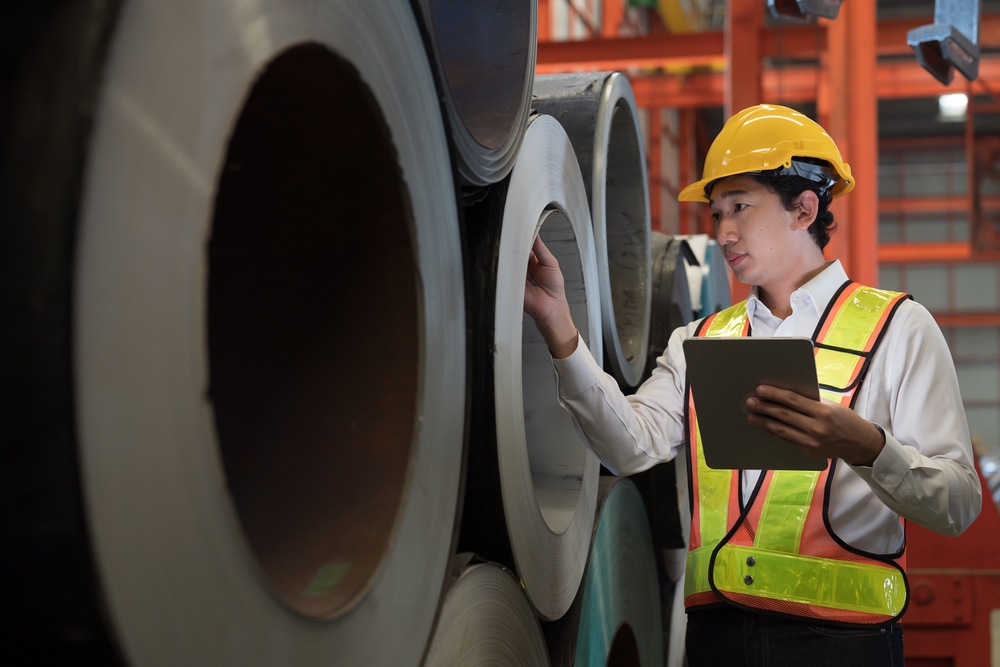
Green Steel refers to steel produced through low-carbon or near-zero-carbon manufacturing processes. Examples include:
This approach differs significantly from traditional steelmaking, which relies heavily on coal-based blast furnaces and generates substantial carbon dioxide emissions.
Adopting Green Steel is no longer simply an environmental trend—it is becoming a long-term business strategy.
Key advantages include:
Understanding the benefits of Green Steel naturally raises the question: which industries should adopt it first?
In practice, Green Steel can replace conventionally produced steel across virtually all sectors. However, its strategic value is particularly significant in the following industries:
Automotive Industry
Especially for electric vehicle (EV) manufacturers seeking to reduce lifecycle emissions, Green Steel can be used in vehicle structures and components to support genuinely sustainable mobility solutions.
Construction and Real Estate
Low-carbon structural steel can help developers achieve green building certifications such as:
Energy Industry
Green Steel is increasingly used in:
supporting clean energy generation from production through deployment.
Electrical Appliances and Machinery
Global manufacturers are increasingly requiring OEM suppliers to use low-carbon materials to comply with international environmental standards.
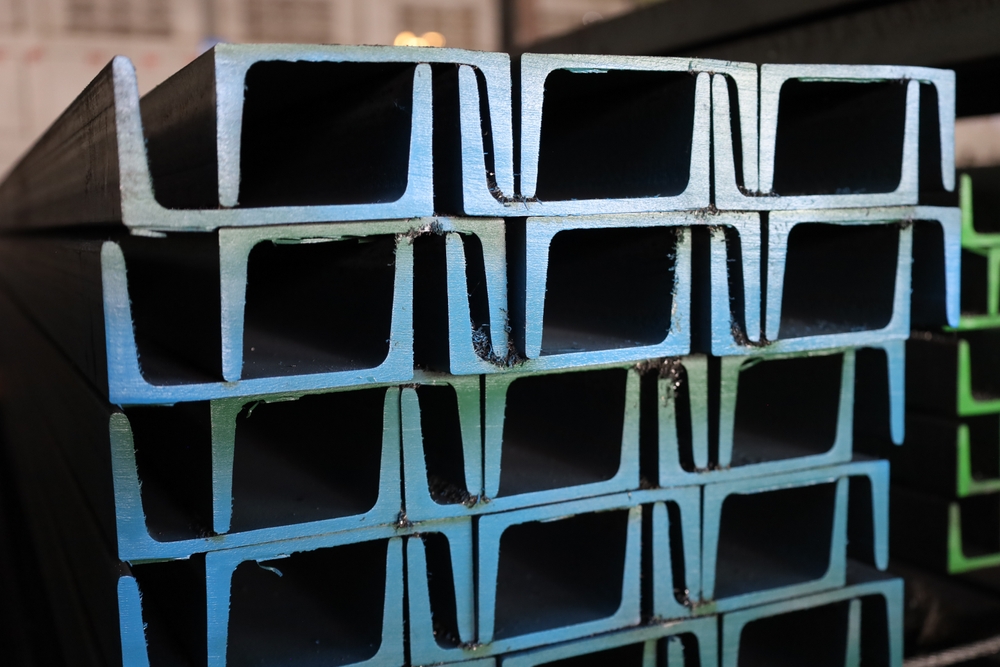
Although steelmaking technologies continue to evolve, industrial manufacturing still relies primarily on two major categories of steel.
Carbon steel remains the most widely used material across industries, from building structures to automotive components.
Key advantages include:
However, untreated carbon steel is susceptible to corrosion and rust. Traditional carbon steel production also generates substantial carbon emissions, creating long-term environmental impacts.
Stainless steel contains at least 10.5% chromium, creating a thin oxide layer that naturally protects the surface from corrosion.
Key benefits include:
making it highly compatible with Circular Economy principles.
Its primary limitation is higher initial material cost compared with carbon steel.
The following comparison highlights key differences across four critical factors.
|
Criteria |
Green Steel |
Carbon Steel |
Stainless Steel |
|
Corrosion Resistance |
Depends on the steel grade used in the low-carbon production process |
Susceptible to rust and requires coatings or galvanization |
High corrosion resistance due to chromium oxide layer |
|
Typical Applications |
EV manufacturing, green buildings, renewable energy infrastructure |
Structural applications, machinery, industrial piping, conventional automotive parts |
Food & beverage, pharmaceuticals, medical equipment, decorative applications |
|
Material Cost |
Typically 20–30% higher than conventional carbon steel, with prices expected to decline over time |
Economical and widely available |
Higher initial investment but cost-effective in corrosive environments |
|
Sustainability |
Low- or zero-carbon production supports CBAM compliance and Net Zero goals |
Traditional production relies heavily on coal and produces significant CO₂ emissions |
Fully recyclable without degrading engineering performance |
The global market is increasingly shifting toward materials with lower environmental impact. Businesses that begin planning for Green Steel adoption today will be better positioned to meet future regulatory requirements and sustainability expectations.
At Toyota Tsusho (Thailand), we support manufacturers through comprehensive steel sourcing solutions—from standard industrial grades to low-carbon steel and Green Steel procurement—leveraging our global network to help businesses achieve both operational and sustainability objectives.
For inquiries, please contact us at +66 (0)2-825-5555.
A: No. Green Steel changes the production process—not the steel’s fundamental molecular structure. Engineering performance and strength remain consistent with existing industrial standards.
A: Companies should review sustainability certifications such as ResponsibleSteel and Environmental Product Declarations (EPDs) that clearly disclose carbon emissions and ESG performance throughout the supply chain.
A: Yes. Because CBAM calculations are based on embedded carbon emissions, low-carbon steel can reduce carbon-related costs when exporting to regulated markets such as the European Union.
A: Capacity is expanding rapidly, but the industry remains in the early stages of transition. Forward planning and collaboration with strategic sourcing partners remain important for supply chain stability.
A: Costs are expected to decline as green hydrogen technology matures, production scales increase, and market demand for low-carbon materials continues to grow.

 TTTC Audit