

16/06/2026
Key Takeaways
Table of Content
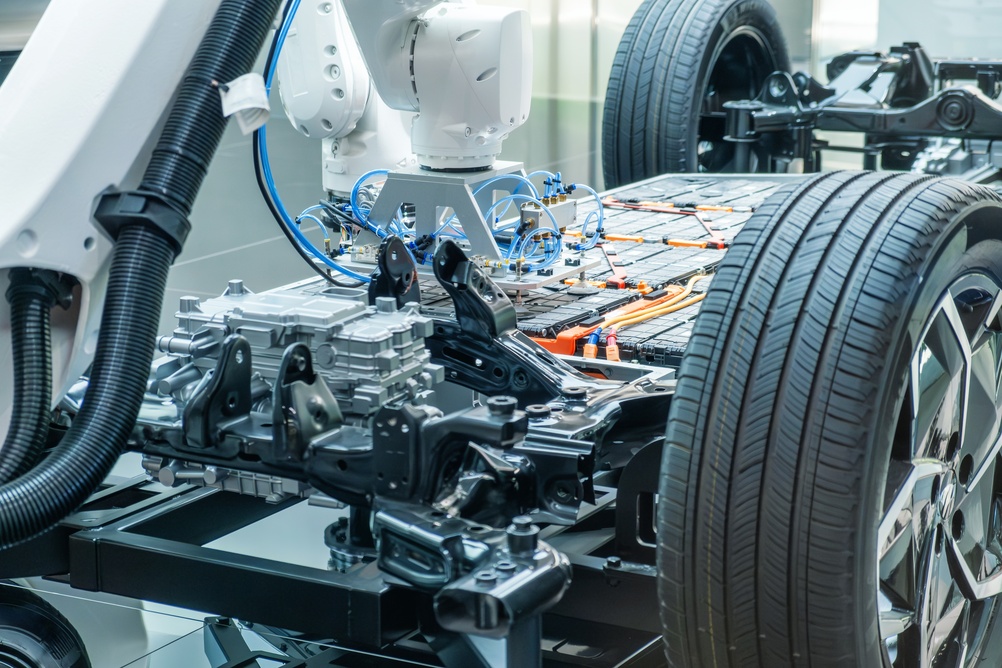
The automotive industry demands the highest levels of quality and precision because every component directly affects vehicle safety and performance.
Understanding how to choose the right OEM automotive supplier is therefore fundamental to building a resilient supply chain and minimizing long-term quality risks.
Selecting automotive component suppliers should extend beyond cost considerations and include manufacturing standards, quality management systems, and supply continuity.
The supplier evaluation process should begin with verifying whether the manufacturing facility complies with internationally recognized standards and automotive industry requirements.
One of the most important supplier selection criteria is compliance with globally recognized quality management standards such as:
These certifications demonstrate that a manufacturer operates under a structured quality management system, helping reduce production errors and ensure consistent quality across every production batch.
Another critical factor when selecting an OEM supplier is assessing the factory's production capability.
Key areas include:
Manufacturers with advanced technology can achieve tighter tolerances, reduce waste, and maintain stable production performance over the long term.
Beyond certifications, manufacturing processes provide valuable insight into a supplier's operational readiness and reliability.
Factories that utilize automation systems and robotic technologies in critical production stages can significantly reduce human error while improving component accuracy and consistency.
When non-conforming parts are discovered, manufacturers should be able to trace raw materials and production batches quickly.
Systems such as:
It helps contain quality issues efficiently and minimize operational impact.
Tooling and molds are at the core of automotive component manufacturing.
Suppliers with preventive maintenance programs and systematic mold management can reduce dimensional defects and maintain consistent production quality over time.
Suppliers should possess precise measurement and testing equipment, such as:
These tools help verify product compliance before shipment.
NG Management System
Suppliers should maintain a clear process for managing non-conforming products, including:

Selecting an OEM supplier involves more than evaluating production capacity. Long-term reliability is equally important.
A supplier's experience working with automotive manufacturers or Tier-1 suppliers is a strong indicator of operational maturity and quality management capability.
Suppliers with dedicated engineering and research & development teams can help:
Financial health is another critical supplier evaluation factor.
Organizations should ensure that suppliers possess sufficient resources to maintain production capacity and fulfill delivery commitments consistently.
Reliable suppliers should have robust raw material sourcing and supplier qualification systems to prevent substandard materials from entering production processes.
As sustainability becomes increasingly important, organizations should prioritize suppliers that maintain strong standards in:
This helps reduce reputational and operational risks over the long term.
Even when suppliers appear qualified, additional verification steps should be conducted before full-scale production begins.
1. Conduct Factory Audits
On-site assessments provide direct visibility into:
These observations often provide deeper insights than documentation alone.
2. Perform Sample Approval Processes
Prototype and sample evaluations should be completed before mass production to verify that dimensions, specifications, and performance requirements meet expectations.
3. Establish Quality Agreements
Formal agreements should clearly define:
Selecting a supplier is not merely a cost comparison exercise—it is an investment in long-term manufacturing quality and supply chain stability.
Partnering with suppliers that maintain strong quality systems and continuously improve their capabilities enables businesses to compete more effectively and sustainably.
Toyota Tsusho (Thailand) specializes in automotive supply chain solutions supported by a global network. We manage the entire supply chain—from raw material sourcing and OEM supplier selection to reliable and on-time component delivery.
As a trusted importer of automotive-grade steel and industrial raw materials, Toyota Tsusho ensures that all materials meet internationally recognized standards, helping manufacturers maintain consistent quality and reduce production risks.
Whether your objective is strengthening supply chain resilience or enhancing long-term manufacturing quality, Toyota Tsusho is ready to be your trusted partner at every stage.
For inquiries, please contact us at +66 (0)2-825-5555.
A: OEM (Original Equipment Manufacturer) produces components according to the vehicle brand's specifications. OES (Original Equipment Supplier) manufactures parts supplied to vehicle assembly plants but later sold in replacement parts markets. Aftermarket parts are produced by independent manufacturers and are not supplied directly to vehicle brands. ODM (Original Design Manufacturer) develops and designs products before they are marketed under another brand. Each model differs in quality standards, pricing, and quality control processes.
A: ISO 9001 is a general quality management standard applicable across industries. IATF 16949 is specifically designed for the automotive industry and includes stricter requirements related to risk management and traceability. TIS (Thai Industrial Standards) are product certification standards used within Thailand to ensure compliance with domestic requirements.
A: Begin by verifying factory certifications such as IATF 16949 and ISO 9001, then assess manufacturing capability, quality control systems, and automotive industry experience to minimize quality and delivery risks.
A: Automotive components must be traceable back to their raw materials and production batches. If a quality issue occurs, traceability enables manufacturers to quickly identify affected products, limit impact, and protect production continuity and end-user safety.
A: Yes. Steel is one of the most important raw materials used in automotive manufacturing. Choosing a qualified automotive-grade steel importer helps ensure consistent material quality, reduces defects, and supports long-term manufacturing stability.
 TTTC Audit