

13/07/2026
Key Takeaways
Industrial scrap steel management is more than simply disposing of production waste. By implementing systematic segregation, processing, and resource management practices, manufacturers can recover greater value from scrap materials while reducing operating costs.
A structured approach also generates additional revenue through recycling, reduces greenhouse gas emissions, and provides reliable data for ESG reporting—helping businesses strengthen competitiveness while supporting long-term sustainable growth.
Table of Contents
For many years, manufacturing facilities regarded scrap steel as waste that needed to be removed from production areas as quickly as possible.
Today, however, scrap steel is widely recognized as a valuable secondary raw material. When managed effectively, manufacturers can reduce operating costs, generate additional revenue through recycling, and simultaneously reduce environmental impacts.
Organizations worldwide are increasingly embracing the principles of the Circular Economy, which promotes keeping valuable resources in productive use for as long as possible. Scrap steel is one of the few industrial materials that can be recycled almost indefinitely without significant loss of quality, making it an essential contributor to resource conservation and greenhouse gas reduction, according to the World Steel Association.
Effective scrap steel management therefore goes beyond waste disposal—it creates measurable business value while supporting corporate ESG objectives.
Scrap steel generated throughout daily manufacturing operations can become a valuable revenue source when properly segregated and managed.
Returning scrap steel to the recycling process helps reduce demand for virgin raw materials, lower energy consumption, and significantly reduce greenhouse gas emissions.
According to the World Steel Association, recycling one metric ton of scrap steel can:
Reduce approximately 1.5 metric tons of CO₂ emissions
Save approximately 1.4 metric tons of iron ore
Reduce coal consumption by approximately 740 kilograms
Reduce limestone consumption by approximately 120 kilograms
Globally, more than 630 million metric tons of scrap steel are recycled each year, with an average recycling rate of approximately 85%, demonstrating its substantial economic and environmental value.
Considering that the global steel industry generates approximately 2.6 gigatons of CO₂ emissions annually, increasing the use of recycled steel is one of the industry's most effective strategies for decarbonization.
Producing steel from recycled scrap using Electric Arc Furnace (EAF) technology generally requires significantly less energy than producing steel from iron ore.
Lower energy consumption results in reduced production costs while simultaneously lowering greenhouse gas emissions.
This is one of the primary reasons many countries are accelerating scrap steel recycling as part of their strategies to achieve Net Zero emissions and sustainable industrial development.
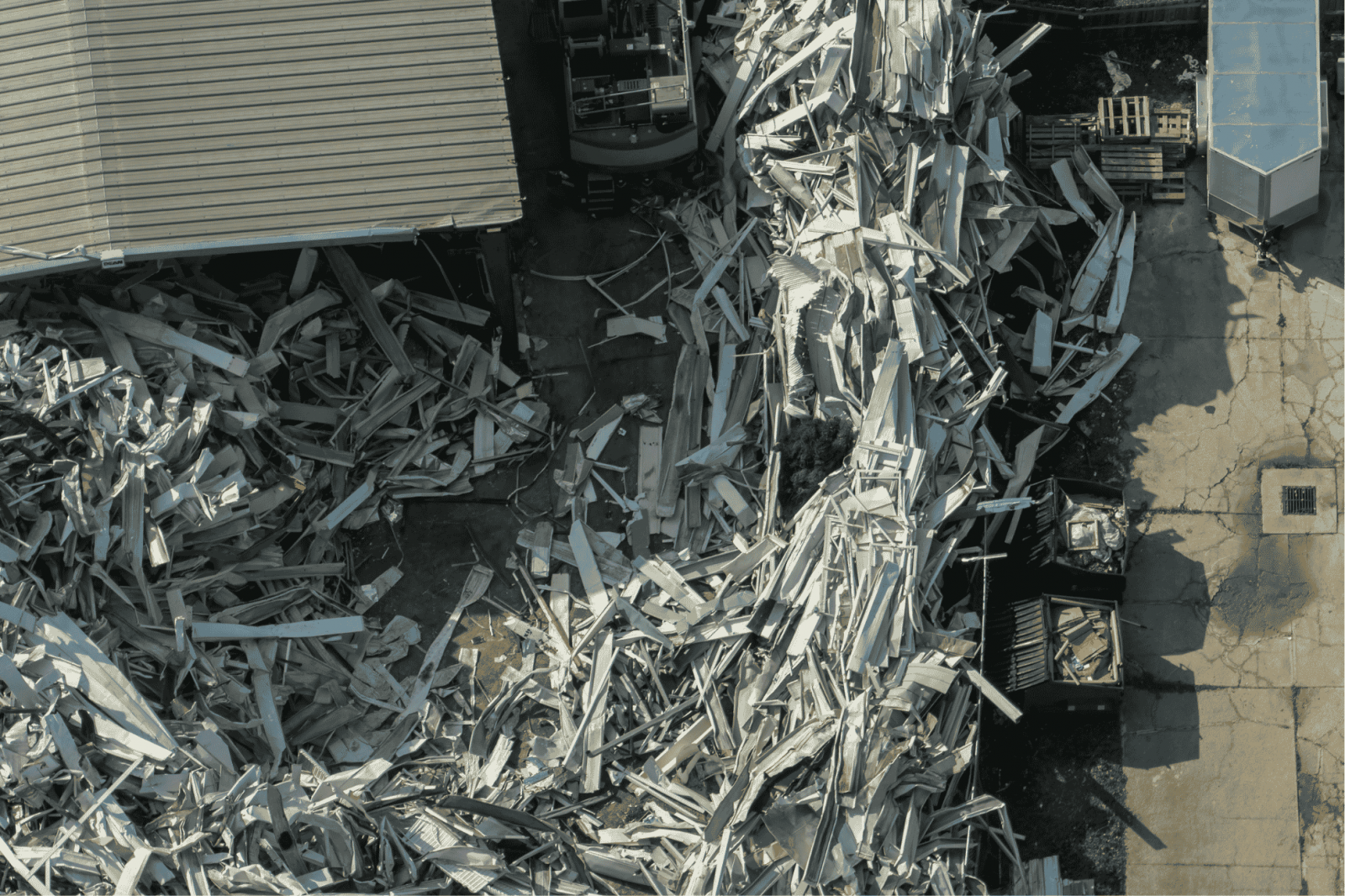
Proper classification at the source is the foundation of maximizing scrap value.
Examples include:
Metal stamping scrap
Cutting scrap
Machining scrap
These materials are generally clean, uncontaminated, and command higher recycling values when stored separately.
Examples include:
Retired machinery
End-of-life vehicles
Steel structures
These materials typically require dismantling and cleaning before entering recycling processes.
Scrap contaminated with materials such as copper, tin, or other metals may experience reduced quality, lower market value, or even rejection by steel mills.
Preventing contamination at the source is therefore one of the most effective ways to maximize recycling value.
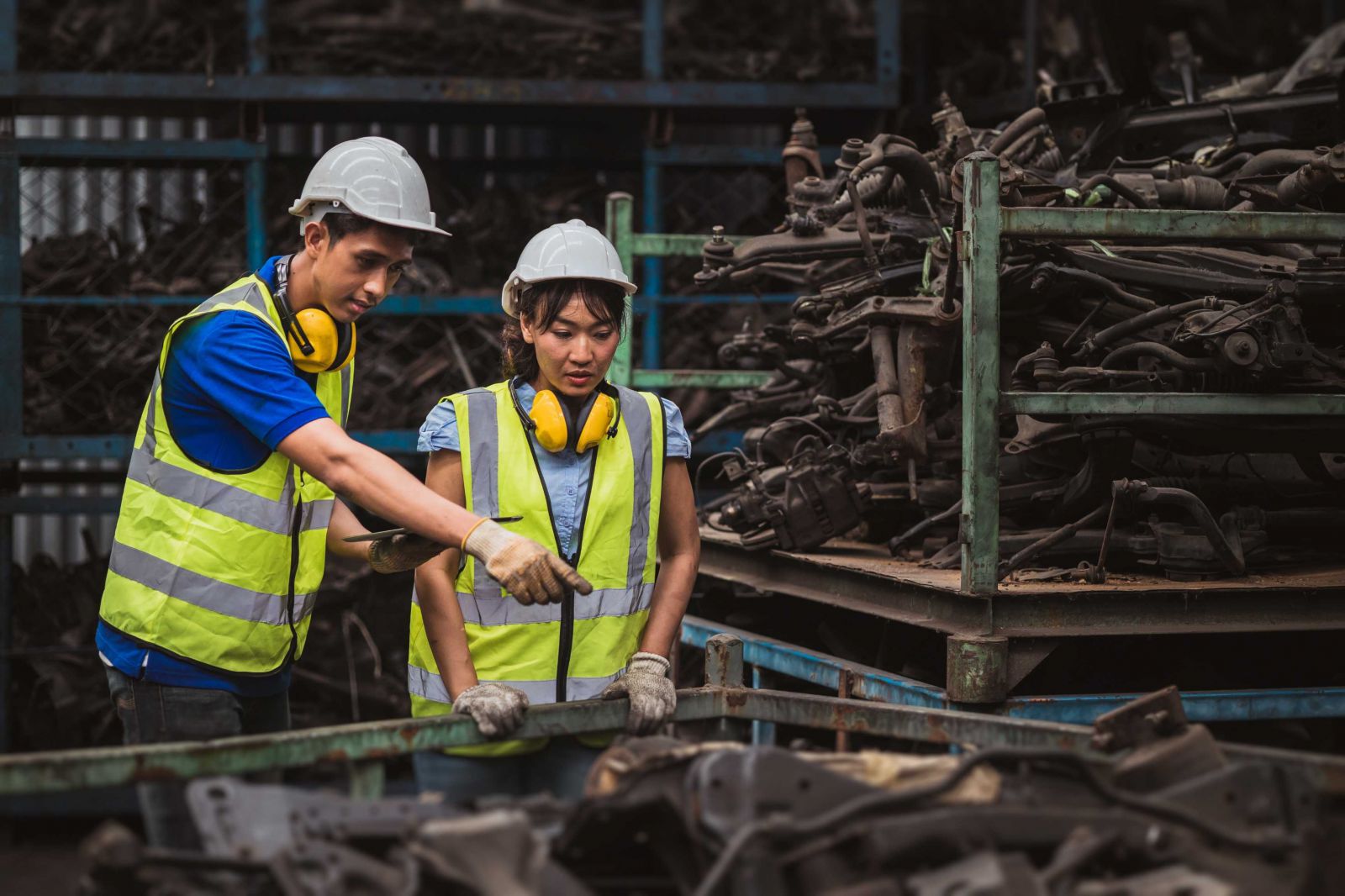
Begin by collecting baseline operational data, including:
Annual scrap generation volume
Scrap generation points within the facility
Contamination rates
These data help establish performance indicators (KPIs) and serve as the basis for return-on-investment (ROI) analysis.
Source segregation is the most effective way to increase scrap value.
Recommended practices include:
Separate collection bins
Clear identification labels
Standard Operating Procedures (SOPs)
Ongoing employee training
Cleaner scrap with minimal contamination commands higher recycling prices.
Many manufacturers install processing equipment before selling scrap, including:
Scrap balers
Metal shears
Industrial shredders
Material composition can also be verified using XRF or OES analyzers before shipment.
These practices reduce transportation costs while improving product consistency and market value.
Using Barcode or RFID systems integrated with weighbridge technology enables transparent tracking of scrap volumes while simplifying ESG reporting and inventory management.
Manufacturers should record information such as:
Recycled scrap steel volume
Waste reduction volume
Revenue generated from scrap sales
CO₂ emissions avoided
Facility recycling rate
These data support reporting under internationally recognized standards such as GRI and can also contribute to greenhouse gas reduction programs such as Thailand Voluntary Emission Reduction Program (T-VER) administered by the Thailand Greenhouse Gas Management Organization (TGO).
Reliable, verifiable data also strengthens confidence among customers, investors, and other stakeholders.
Manufacturers should ensure compliance with the requirements of Thailand's Department of Industrial Works (DIW) regarding industrial waste storage, transportation, and disposal.
Maintaining proper documentation and traceable records for scrap metal movement helps support regulatory compliance while reducing legal risk.
Effective scrap steel management extends far beyond collection and disposal.
It requires systematic planning—from source segregation and recycling processes to logistics management and ESG data collection—to maximize both environmental and business value.
Toyota Tsusho provides comprehensive industrial metal waste management solutions, helping manufacturers improve scrap steel management through efficient resource recovery, recycling, and Circular Economy practices.
If your organization is looking to optimize scrap management and unlock greater value from industrial resources, please contact us at +66 (0)2-825-5555.
Learn more about Toyota Tsusho through our company profile video and explore our comprehensive circular economy solutions.
References
World Steel Association. Raw Materials / World Steel in Figures. Retrieved June 30, 2026, from https://worldsteel.org/steel-topics/raw-materials/
International Energy Agency (IEA). Iron & Steel Technology Roadmap. Retrieved June 30, 2026, from https://www.iea.org/reports/iron-and-steel-technology-roadmap
National Statistical Office of Thailand (NSO). Environment Indicators 2024 (Amount of Industrial Waste in Thailand, 2023 = 19.82 Million Tons). Retrieved June 30, 2026, from https://www.nso.go.th/public/e-book/Indicators-Environment/Environment-Indicators-2567/234-235/
Thailand Greenhouse Gas Management Organization (TGO). Premium T-VER: Project Administrative Structure. Retrieved June 30, 2026, from https://ghgreduction.tgo.or.th/th/about-premium-t-ver/project-administrative-structure.html
Department of Industrial Works (DIW), Thailand. Facility and Industrial Waste Management Guidance. Retrieved June 30, 2026, from https://www.diw.go.th/webdiw/static-fac/
BangkokBiz News. End-of-Life Vehicle (ELV) and Vehicle Statistics in Thailand. Retrieved June 30, 2026, from https://www.bangkokbiznews.com/business/1000612 Project Drawdown. Increase Recycling. Retrieved June 30, 2026, from https://drawdown.org/explorer/increase-recycling
A: Recycling one metric ton of scrap steel can reduce approximately 1.5 metric tons of CO₂ emissions compared with producing steel from virgin raw materials. It also conserves iron ore, coal, and limestone, making it an effective strategy for supporting ESG objectives.
A: The first step is conducting an Inspection to identify scrap volumes, types, and sources. Manufacturers should then establish source segregation procedures, define storage methods, and monitor performance through KPIs to maximize scrap value while minimizing contamination.
A: Yes. Data such as recycled scrap volume, CO₂ emissions avoided, waste reduction, and recycling rates can be incorporated into ESG reports and support greenhouse gas reduction initiatives such as T-VER.
A: Yes. Toyota Tsusho provides comprehensive Resource Recycling solutions covering industrial metal waste management, scrap segregation, recycling, and resource value enhancement. These services help manufacturers reduce costs, maximize resource efficiency, and support Circular Economy and ESG initiatives.
 TTTC Audit