

05/06/2026
Key Takeaways
Table of Content
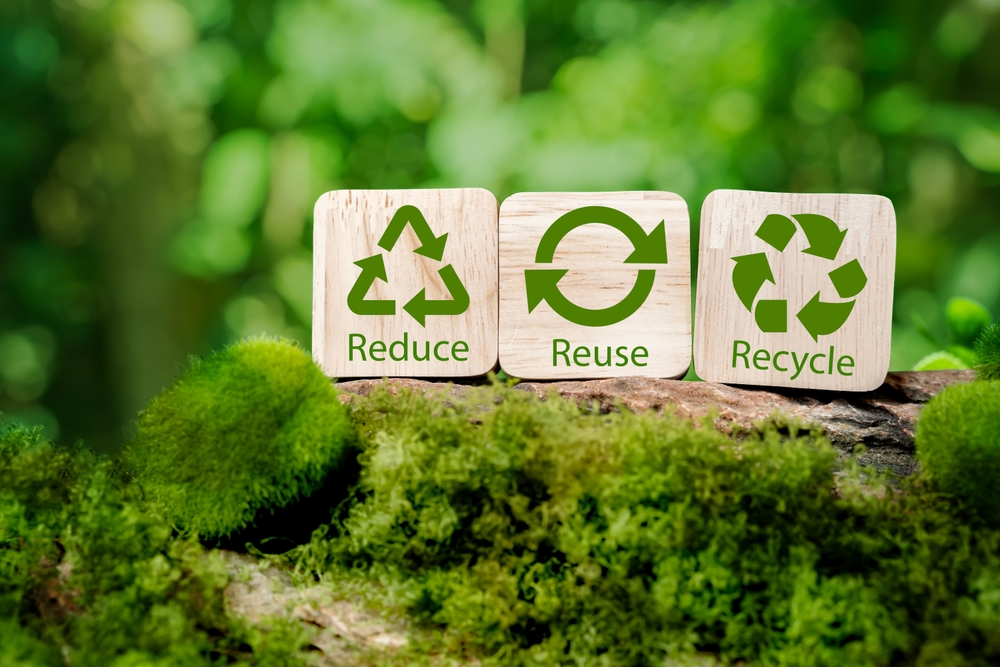
As the world moves toward a greener economy, maximizing resource efficiency has become a critical priority across all sectors, particularly manufacturing and heavy industry. As a result, many organizations are adopting the 3R principle as part of their sustainability strategy.
Today, the 3R framework is no longer just a basic environmental concept. It has evolved into a practical business strategy that helps organizations reduce costs, improve operational efficiency, and strengthen their corporate reputation over the long term. This article explores the meaning of the 3Rs and how they can be applied in industrial settings, particularly in the management of complex metal waste streams.
The 3R principle is a resource and waste management approach focused on minimizing waste generation while maximizing resource utilization. The framework consists of three stages, prioritized as follows:
The first and most important step is reducing resource consumption at the source to prevent waste generation.
In manufacturing environments, this may involve applying engineering expertise to design products that use fewer materials while maintaining performance standards. It also includes optimizing production equipment to minimize defects and scrap generation. These measures help reduce both raw material costs and waste management expenses.
Reuse involves extending the life of materials or products by using them again without complex processing or chemical transformation.
Examples include replacing single-use cardboard packaging with returnable steel pallets or reusable plastic containers within logistics systems. Another example is refurbishing worn machine components for continued use. Reuse extends the useful life of resources and significantly reduces procurement costs.
When materials reach the end of their usable life and can no longer be reused, recycling becomes essential for resource recovery.
Recycling involves industrial processes such as material grading, shredding, crushing, and remelting to convert waste back into usable raw materials. This is especially valuable in the metals industry, where materials can often be recycled nearly 100% without losing their core properties. Recycling closes the resource loop and supports a fully functional circular economy.
Many people ask: How is the 3R principle applied in manufacturing industries?
While all three components are important, recycling has the greatest impact on the automotive and metals industries. Most steel and metal scrap generated during manufacturing cannot be directly reused and must instead undergo sorting, cutting, shredding, and remelting before returning to production as standardized raw materials.
As a result, metal recycling is not only an environmental initiative but also a strategic business practice that strengthens resilience in two critical areas:
Recycling provides manufacturers with a stable source of secondary raw materials, reducing dependence on imported iron ore or steel scrap whose prices are often volatile and influenced by global market conditions.
Producing steel from recycled scrap requires significantly less energy than refining steel from virgin ore. An effective recycling system therefore reduces energy costs and helps businesses manage fluctuations in energy prices more effectively
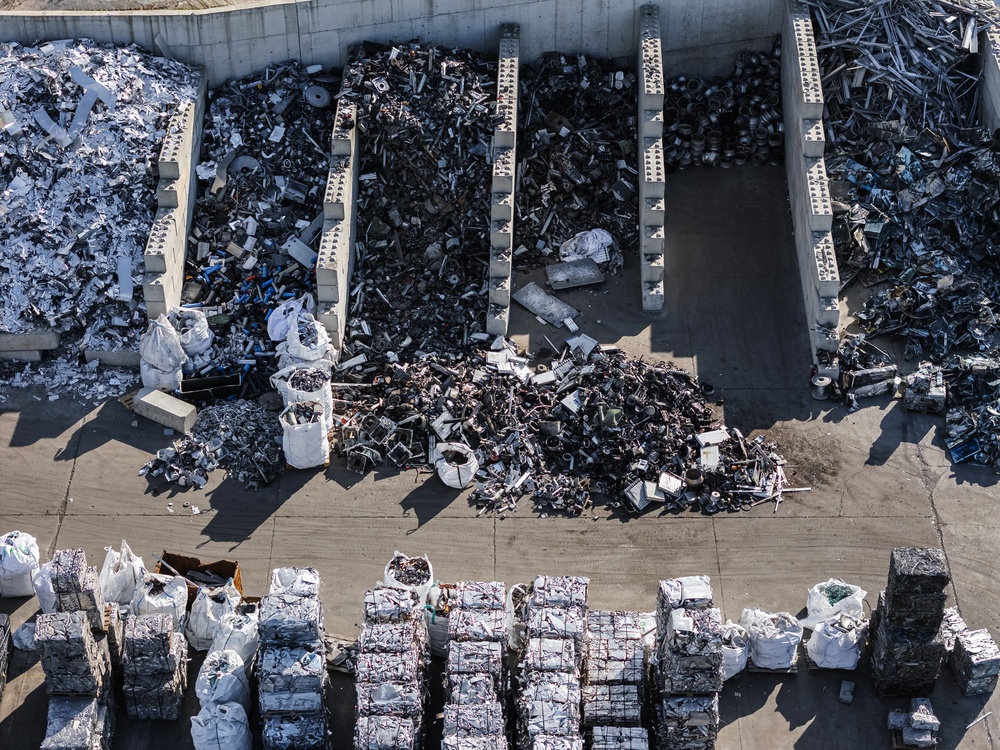
Today, the 3R principle in manufacturing is no longer simply about waste disposal. It is about preparing for a future where natural resources become increasingly limited.
By implementing structured recycling programs, industrial waste can be transformed from a disposal burden into a valuable asset that contributes to long-term resource security and business sustainability.
As a leader in the circular economy, Toyota Tsusho (Thailand) provides internationally standardized industrial metal waste management services that support the growth of Thailand's green industry through the following solutions:
We purchase and process all types of ferrous and non-ferrous metals, including heavy steel scrap, light steel scrap, machining scrap, aluminum, stainless steel, and copper.
Our professional team conducts on-site assessments and precise material classification, helping manufacturers manage scrap efficiently while ensuring transparency through fully traceable weighing systems.
Toyota Tsusho utilizes modern shredding, crushing, and baling equipment, combined with magnetic separation technology, to maximize material quality before recycling.
These advanced processes improve recycling efficiency while minimizing environmental impact.
We transform waste into valuable secondary raw materials through advanced dismantling and material separation technologies.
Using specialized expertise, we recover high-value resources from complex mixed-material streams, including high-grade steel, aluminum, and precious metals, enabling them to re-enter manufacturing processes in accordance with circular economy principles.
Our operations are supported by stringent hazardous waste management systems that comply with environmental regulations, ensuring that every recoverable resource is utilized to its fullest potential.
Toyota Tsusho (Thailand) serves as a trusted Circular Economy Consultant, helping organizations implement the 3R principle across every aspect of industrial resource management.
Our solutions include:
Together, these solutions help organizations maximize resource efficiency and build long-term sustainability.
Explore our other business solutions and learn more about us via company profile video.
For inquiries or additional information, please contact us at +66 (0)2-825-5555.
A: Industrial waste materials such as steel stamping scrap or metal machining waste are often physically altered and cannot be directly reused within the same production process. Recycling through remelting is therefore the most effective method for converting these materials back into standardized raw materials suitable for manufacturing.
A: The 3R principle directly contributes to environmental sustainability by reducing landfill waste and lowering carbon dioxide emissions associated with manufacturing activities. These outcomes are important ESG indicators increasingly evaluated by investors and global business partners.
A: The key differences are transparency, traceability, and process standards. Structured resource recycling involves engineering-based material grading, contaminant management, and documented recycling processes that are fully auditable. These practices increase the value of metal scrap while reducing environmental compliance risks for manufacturers.

 TTTC Audit