

05/06/2026
Key Takeaways
Table of Content
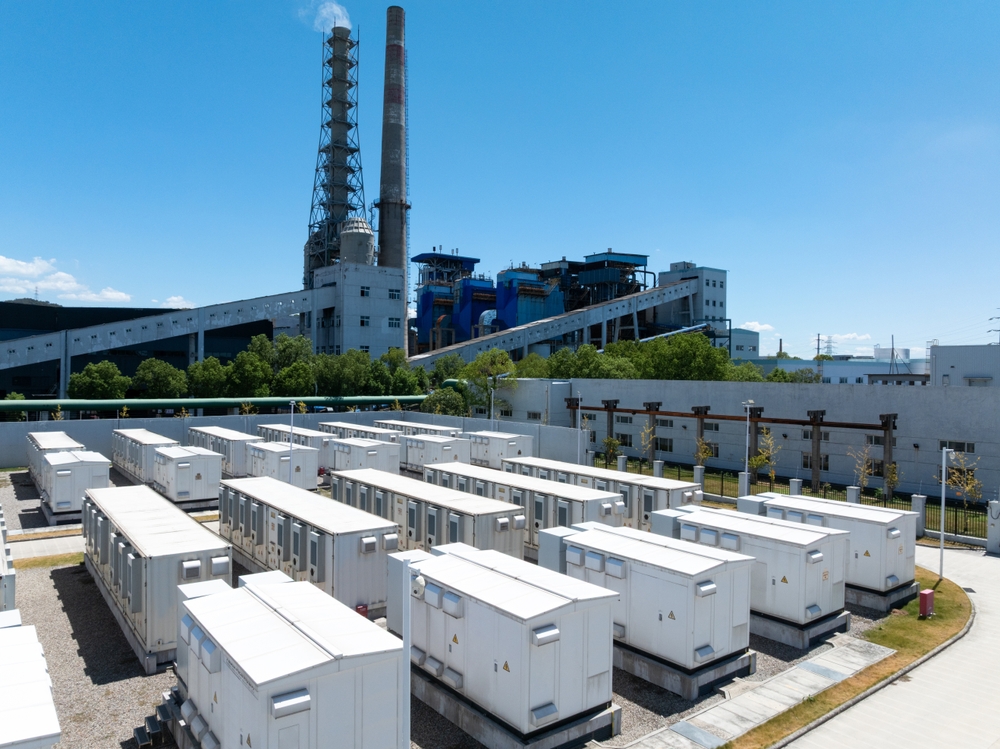
Amid fluctuating energy prices and the global transition toward carbon neutrality, managing energy costs and ensuring a reliable power supply have become critical challenges for industrial manufacturers. One technology that is transforming energy management today is the Battery Energy Storage System (BESS).
No longer limited to serving as emergency backup power, BESS has evolved into a strategic energy management solution that helps businesses achieve measurable and sustainable cost savings.
Many people wonder: What is a Battery Energy Storage System (BESS), and how does it work in industrial applications?
A Battery Energy Storage System stores electrical energy as chemical energy and releases it when it delivers the greatest value. Rather than operating independently, BESS is managed through intelligent software that optimizes energy flow throughout a facility using three key strategies:
BESS supplies stored energy during periods of peak electricity demand, helping reduce Demand Charges, which are often one of the largest contributors to high monthly electricity bills.
The system stores electricity during lower-cost periods (Off-Peak), such as nighttime or holidays, and discharges that energy during higher-cost periods (On-Peak), reducing overall energy expenses.
BESS enhances voltage stability, filters electrical disturbances, and protects equipment from voltage sags and power surges that could disrupt production and cause costly downtime.
For organizations evaluating industrial energy storage solutions, selecting the right BESS architecture depends primarily on installation space and energy demand requirements.
A large-scale energy storage solution that houses all system components within a containerized unit. These systems typically utilize Lithium Iron Phosphate (LFP) battery technology due to its high stability and safety. Containerized BESS is ideal for large industrial facilities with substantial power consumption.
A flexible system designed as rack-based or modular units that can be expanded according to operational requirements. Modular BESS is suitable for facilities with limited installation space or future production expansion plans.
At this point, many business operators may ask:
What is the difference between BESS and solar power systems, and can they be used together?
The answer is yes.
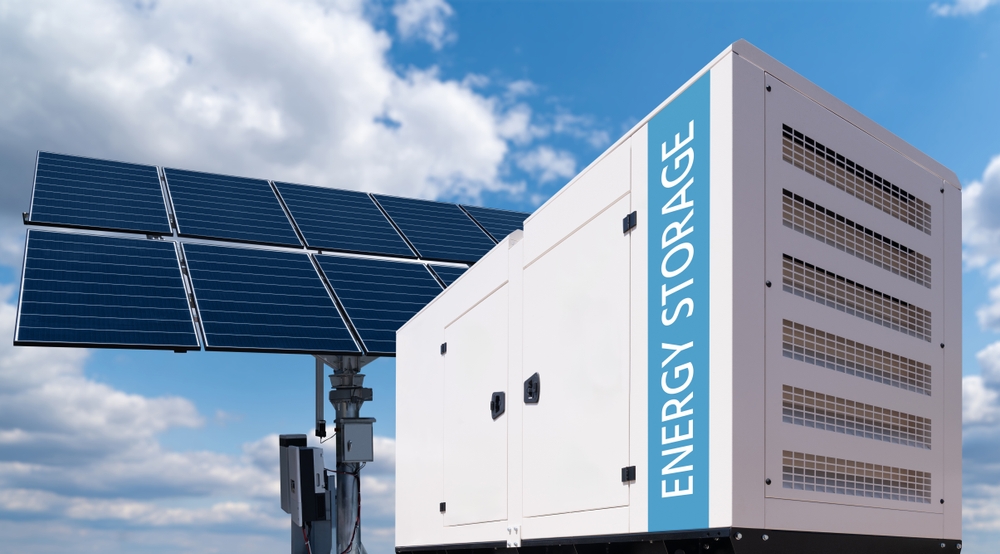
Solar panels generate electricity, while BESS stores energy. For factories that already operate rooftop solar systems—or are planning to install them—integrating BESS creates a complete energy management solution.
Solar power can only generate electricity when sunlight is available, whereas industrial facilities often require power 24 hours a day. By combining both technologies, organizations can significantly increase energy self-sufficiency.
BESS stores surplus solar energy generated during the day and releases it when sunlight is unavailable or when electricity prices are highest. This reduces reliance on the grid and serves as a key enabler for achieving carbon neutrality goals in line with international sustainability standards.
When evaluating whether a BESS investment is worthwhile, businesses should look beyond initial purchase costs and assess the Levelized Cost of Energy (LCOE) over the system's lifecycle.
Several key factors influence both investment returns and operational reliability.
Long-term value depends heavily on the number of charge-discharge cycles a battery can complete before performance begins to degrade.
Industrial-grade batteries should provide sufficient durability for years of continuous operation, helping ensure accurate return-on-investment calculations while minimizing unexpected replacement costs.
Because BESS stores large amounts of electrical energy within industrial facilities, safety is a top priority.
Equipment should comply with internationally recognized standards such as IEC and UL, ensuring robust electrical protection systems and reducing the risk of fire-related incidents that could cause significant damage to facilities and assets.
The effectiveness of BESS depends greatly on the software's ability to integrate seamlessly with a facility's existing electrical infrastructure.
Advanced energy management systems can analyze load profiles and optimize energy dispatch in real time, maximizing electricity savings according to planned energy usage strategies.
BESS is a strategic solution that enables businesses to control energy costs with greater precision while ensuring stable power availability around the clock.
Partnering with experienced engineering specialists helps maximize the value, reliability, and safety of your investment over the long term.
Design a smarter energy future for your factory with a comprehensive BESS solution from Toyota Tsusho (Thailand). As a trusted industrial BESS solution provider, Toyota Tsusho offers end-to-end services, including load analysis, engineering design, equipment procurement, installation, and maintenance.
Guided by the “Be the Right ONE” philosophy, Toyota Tsusho is committed to delivering solutions that meet real-world customer needs through superior safety, quality, and reliability. Leveraging global expertise and diverse industry knowledge, we provide tailored energy solutions that support sustainable business growth.
Toyota Tsusho (Thailand) also offers a comprehensive portfolio of industrial solutions, ranging from solar energy systems and construction equipment to manufacturing machinery, cutting tools, maintenance equipment, measurement instruments, fixtures, and pre-owned industrial machinery. Explore our other business solutions and learn more about us via company profile video.
For inquiries or additional information, please contact us at +66 (0)2-825-5555.
A: Yes. Integrating BESS with solar power enables factories to maximize the use of solar-generated electricity by storing surplus daytime energy for use during high-cost On-Peak periods. This reduces grid dependency and can accelerate the payback period for the overall energy system.
A: Lithium Iron Phosphate (LFP) batteries are the most widely used due to their high safety standards, low fire risk, strong energy density, and long service life, making them ideal for demanding industrial environments.
A: It depends on the system design. When equipped with appropriate control systems and Hybrid or Grid-Forming inverters, BESS can function as a backup power source, allowing critical equipment and machinery to continue operating without interruption.
A: Installation space depends on the required storage capacity (kWh). Modular systems require less space and can often be installed within buildings. Larger multi-megawatt systems typically use containerized designs installed outdoors to facilitate ventilation and enhance safety.

 TTTC Audit