

22/07/2026
Key Takeaways
Table of Content
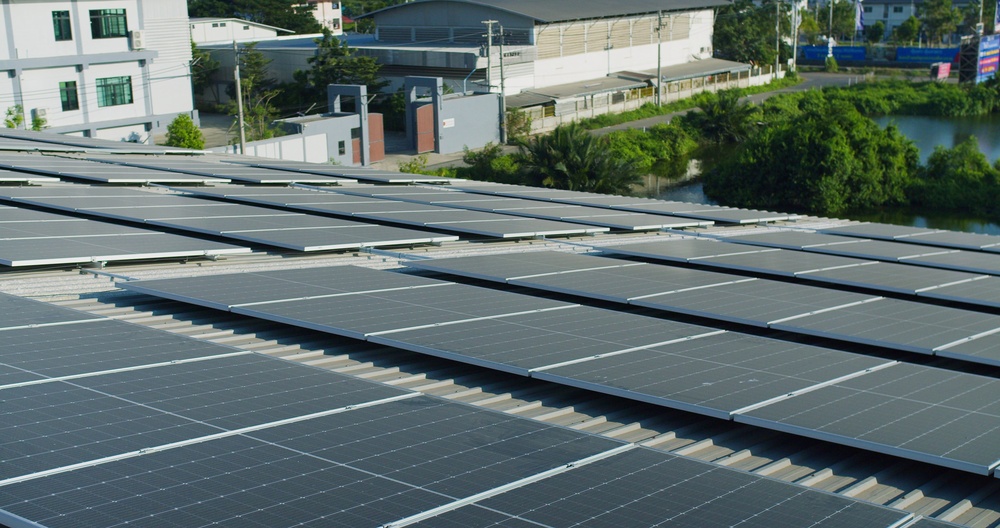
Rising electricity prices have become one of the most significant operating costs for industrial businesses. As a result, many manufacturers are seeking long-term energy solutions to reduce operating expenses.
One of the most effective approaches is installing a factory solar rooftop system—a rooftop solar photovoltaic (PV) solution that enables businesses to generate electricity on-site, reduce dependence on grid electricity, and improve long-term energy cost management.
In addition, factory solar systems support the transition to clean energy, aligning with sustainable business practices and ESG initiatives that have become increasingly important for organizations worldwide.
A factory solar rooftop system generates electricity from sunlight by installing photovoltaic (PV) panels on factory buildings or warehouse rooftops. This allows businesses to utilize otherwise unused roof space while producing electricity for internal consumption.
By reducing reliance on external electricity supplies, factory solar systems provide stable energy generation suitable for industrial operations while delivering long-term energy cost savings.
Solar panels convert sunlight into Direct Current (DC) electricity.
An Inverter then converts the DC electricity into Alternating Current (AC), allowing the generated power to be supplied directly to factory electrical systems.
The electricity produced can immediately power production lines, machinery, and other industrial equipment, reducing the amount of electricity purchased from the grid.
Although both systems operate on the same principles, industrial installations differ significantly from residential systems.
Factory solar rooftop systems are particularly suitable for facilities with consistently high daytime electricity demand, including:
Installing a factory solar system is a long-term investment that provides measurable reductions in operating costs through several key benefits.
Factories can use electricity generated from solar energy during daylight hours—when electricity demand is often at its highest—thereby reducing electricity purchases from the utility grid and lowering overall electricity bills.
During periods of strong solar generation, rooftop solar systems reduce the amount of electricity drawn from the utility grid.
When the system is properly designed to match a facility's energy consumption profile, it may also help reduce peak electricity demand in certain operating conditions, potentially lowering demand charges.
However, the actual impact depends on several factors, including:
Factory solar rooftop systems typically achieve payback within approximately 3–5 years, while operating for more than 25 years.
This enables businesses to benefit from lower electricity costs throughout the system's service life.
Solar panels also provide shading for rooftop surfaces, reducing direct solar heat entering the building.
Lower indoor temperatures can decrease air-conditioning and ventilation loads, further reducing energy consumption while extending the service life of cooling equipment.
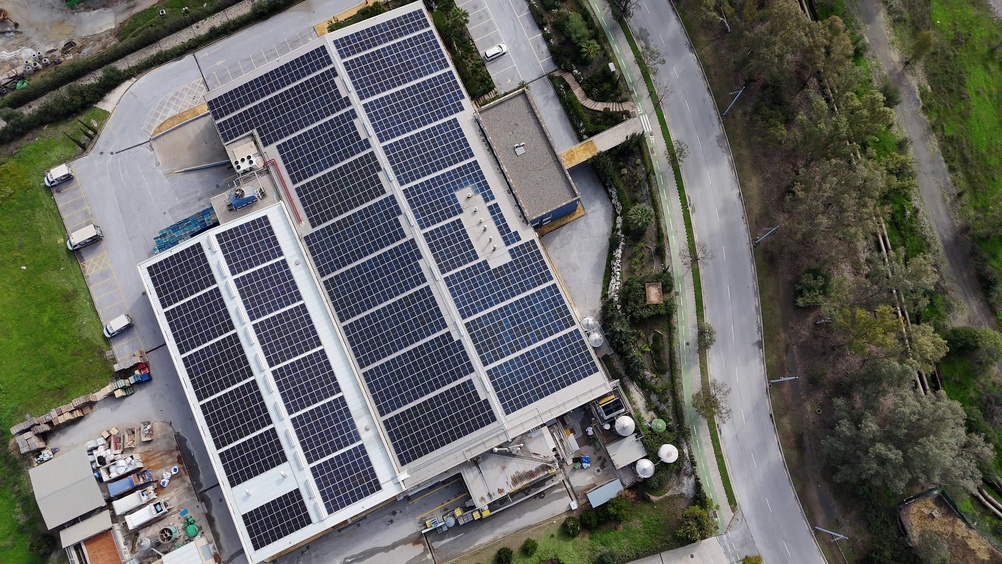
Installing a factory solar system not only reduces electricity costs but may also provide access to government support measures that improve overall investment value.
Businesses may capitalize eligible solar system equipment—including panels, machinery, and related electrical systems—as depreciable assets in accordance with applicable tax regulations, helping reduce corporate income tax liabilities over time.
Many organizations are working to reduce greenhouse gas emissions throughout their supply chains.
Generating renewable electricity through factory solar installations helps support ESG objectives, enhances corporate credibility, and creates additional business opportunities with both domestic and international customers.
Although BOI investment promotion for certain Solar PV projects has evolved over time, the Thai government continues to introduce energy conservation and energy efficiency support programs.
These may include:
Businesses should monitor announcements from relevant government agencies—including the Board of Investment (BOI), the Department of Alternative Energy Development and Efficiency (DEDE), and the Ministry of Energy—to take advantage of available support programs as they become available.
Integrating a factory solar rooftop system with a Battery Energy Storage System (BESS) enables manufacturers to optimize energy consumption, reduce electricity costs, and strengthen long-term energy resilience.
Toyota Tsusho provides comprehensive industrial energy solutions—from Solar Rooftop installation to Battery Energy Storage System (BESS) implementation—helping manufacturers maximize energy efficiency while supporting sustainable business growth.
Explore More
For more information, please contact us at +66 (0)2-825-5555.
References
A: Yes. Businesses should select solar panels, inverters, and related equipment that comply with Thai Industrial Standards (TIS) or other internationally recognized standards. Installation should also be performed by qualified professionals following appropriate engineering standards to ensure long-term safety, reliability, and system performance.
A: Solar panels generate the highest amount of electricity during daytime hours, allowing factories to use the generated power directly for machinery and production equipment. This reduces electricity purchased from the utility grid, particularly for facilities with high daytime energy demand.
A: Factory solar systems generate on-site renewable electricity, reducing dependence on external power supplies. In some operating conditions, they may also help lower demand charges by reducing electricity drawn from the grid during periods of strong solar generation. Additionally, rooftop panels reduce heat entering buildings, lowering cooling energy consumption.
A: If a factory aims to improve energy management or maintain backup power during specific operating periods, integrating a Battery Energy Storage System (BESS) with a solar rooftop system can store excess solar energy for later use, enhance energy security, and maximize the utilization of self-generated renewable electricity.

 TTTC Audit