

10/02/2026
Key Takeaways
Table of Content
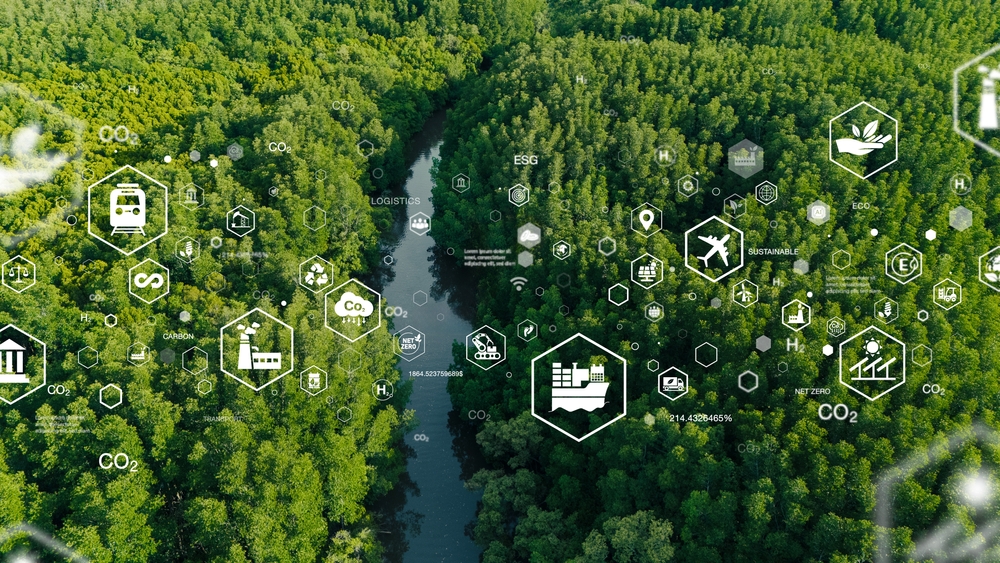
As operating costs continue to rise, many organizations are placing greater emphasis on efficient resource utilization while reducing waste and improving sustainability throughout their production processes. As a result, the Circular Economy has become increasingly important because it transforms materials once considered waste into valuable resources that can be used again.
For businesses, understanding what Circular Economy is and how to apply it effectively can help reduce production costs, improve resource efficiency, and create sustainable long-term growth opportunities.
To better understand the concept, it is important to first examine the differences between the traditional economic model and the Circular Economy approach that many businesses are increasingly adopting.
The traditional economic model, known as the Linear Economy, follows a "Make–Take–Dispose" cycle. Natural resources are extracted to manufacture products, which eventually become waste after use. This approach leads to excessive resource consumption and long-term environmental impacts.
In contrast, Circular Economy is an economic system designed to maximize resource value through reuse, repair, refurbishment, and recycling. Its goal is to minimize waste and extend the lifespan of resources for as long as possible.
Several core principles guide the implementation of Circular Economy practices:
Implementing Circular Economy principles not only reduces waste but also enhances operational efficiency and creates new revenue opportunities.
Reusing materials helps reduce dependence on expensive and price-volatile raw materials. At the same time, improving production efficiency can lower energy consumption and reduce waste management costs.
Production by-products and leftover materials can be transformed into raw materials for other industries or developed into new products.
In addition, many businesses are adopting Product-as-a-Service models, where products are leased rather than sold outright, creating recurring long-term revenue streams.
Today, investors and global business partners place significant importance on ESG (Environmental, Social, and Governance) performance.
Organizations transitioning to a Circular Economy are often better positioned to access funding and gain the trust of consumers seeking responsible brands. This creates a competitive advantage that is difficult for competitors to replicate.
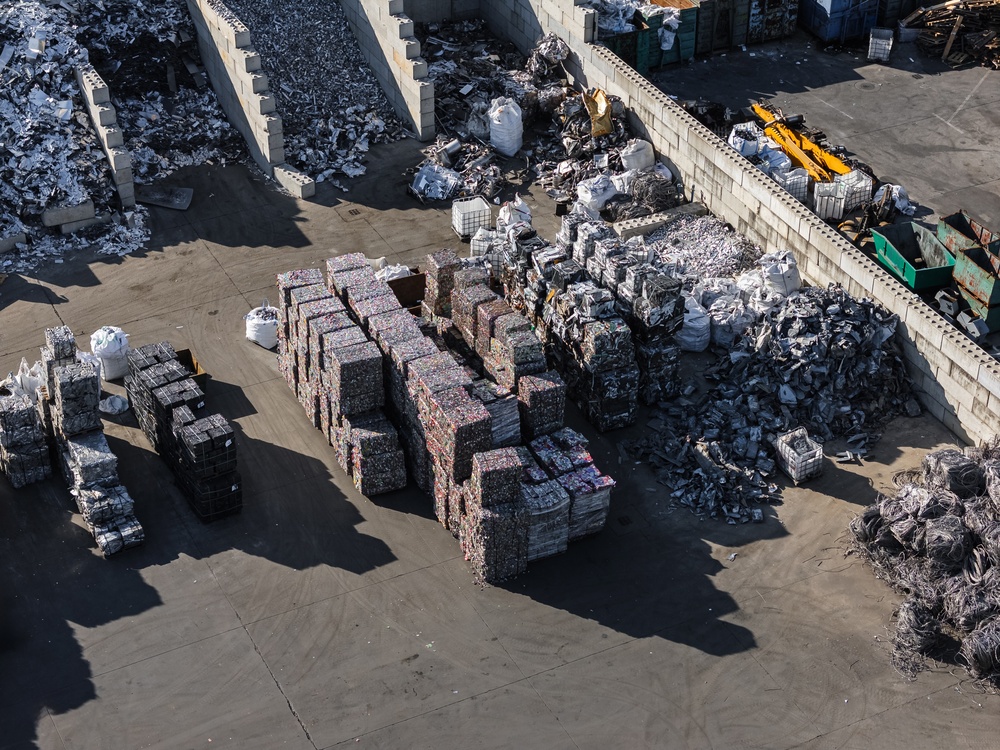
Many industries are adopting Circular Economy practices to improve resource efficiency and reduce environmental impact.
Steel is one of the most recyclable materials, with recycling rates approaching 100%. Recycling steel scrap from manufacturing facilities reduces the need for virgin resources, lowers production energy consumption, and decreases carbon emissions across industrial operations.
Electric vehicle batteries that no longer meet mobility performance requirements can still be repurposed for Battery Energy Storage Systems (BESS). At the end of their useful life, valuable minerals can be recovered through recycling and reintroduced into the supply chain.
Plastic waste generated by households can be processed into Post-Consumer Recycled (PCR) plastic pellets, which can then be used to manufacture packaging and other products. This reduces dependence on virgin petroleum resources and lowers plastic waste volumes.
Industrial Symbiosis involves utilizing waste materials or excess energy from one facility as resources for another.
For example, excess heat generated by one factory can be used to produce electricity elsewhere. This approach reduces energy costs while improving resource efficiency across industrial ecosystems.
Circular Economy is rapidly becoming a new business standard because it addresses cost management, sustainability objectives, and evolving consumer expectations simultaneously.
Sustainability Trends Among Consumers: Millennials and Generation Z increasingly consider environmental impacts when making purchasing decisions. Adopting Circular Economy principles can therefore help businesses retain future customer bases and remain competitive.
Emerging Business Models: Advanced remanufacturing services and certified refurbished product markets are expected to grow significantly. These models help reduce risks associated with raw material shortages while creating new business opportunities.
Toyota Tsusho (Thailand)is ready to support your business in transforming used resources into new value through comprehensive Circular Economy solutions covering raw material management, recycling, and sustainable energy management.
You can also explore our other business solutions, learn more about Toyota Tsusho (Thailand) through our company profile video, or contact us for additional information at +66 (0)2-825-5555.
A: Circular Economy focuses on maximizing resource value through reuse, repair, and recycling while minimizing waste. In contrast, Linear Economy follows a "Make–Take–Dispose" model, where resources are used once and ultimately become waste.
A: Circular Economy helps reduce raw material costs, minimize waste, and improve resource efficiency throughout production processes. It also lowers carbon emissions, reduces dependence on natural resources, and strengthens a company's sustainability reputation.
A: Businesses can begin by separating waste for reuse, optimizing production processes to reduce material losses, incorporating recycled materials into manufacturing, and partnering with recycling service providers to improve resource management efficiency.
A: Circular Economy principles can be applied across various industries, including steel manufacturing, plastics, food processing, automotive, and electronics—particularly businesses that generate significant amounts of production waste or surplus materials.
A: Recycling steel scrap back into production reduces raw material procurement costs, lowers waste disposal expenses, and consumes less energy compared to producing steel from virgin materials. As a result, it improves operational efficiency while reducing long-term environmental impacts.

 TTTC Audit