

18/04/2026
Key Takeaways
Selecting industrial steel that meets recognized standards requires a thorough understanding of international specifications such as JIS, ASTM, and DIN. Manufacturers should also evaluate dimensional tolerance and traceability systems to minimize production waste and ensure consistent quality.
Toyota Tsusho (Thailand) provides an end-to-end steel sourcing solution covering supplier selection, tax optimization, logistics management, and Just-in-Time delivery to support efficient manufacturing operations.
Table of Content
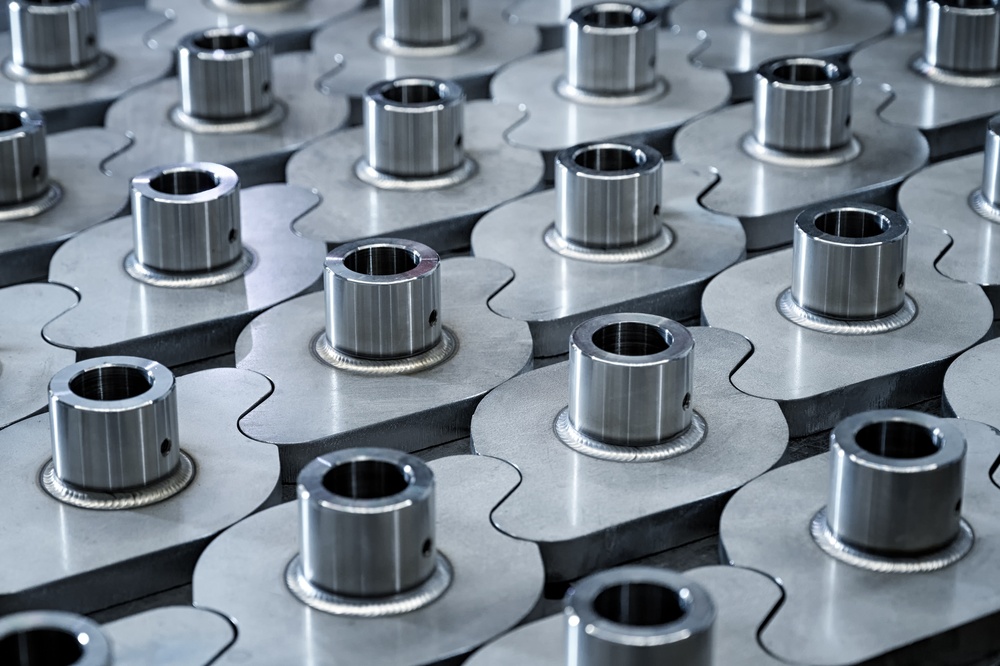
Steel is one of the most important raw materials influencing both product quality and long-term production costs.
However, selecting steel for industrial applications goes far beyond simply purchasing material that meets a general specification. It requires selecting materials that satisfy engineering precision requirements and internationally recognized safety standards to prevent premature wear, structural failures, and costly operational issues in the future.
In today's increasingly competitive industrial landscape, selecting steel is no longer just a purchasing decision based on market price.
It is a strategic decision that directly affects Total Cost of Ownership (TCO) and long-term product quality consistency.
Choosing the right steel for manufacturing operations helps:
These benefits contribute directly to higher production efficiency and lower lifecycle costs.
The first step in selecting factory-grade steel is understanding internationally recognized standards that define chemical composition and mechanical properties.
JIS (Japanese Industrial Standards) is one of the most widely used steel standards in Thailand, particularly within the automotive and electrical appliance industries.
Common grades include:
JIS standards are designed to align closely with manufacturing processes commonly used throughout Asia.
ASTM International (formerly the American Society for Testing and Materials) is a globally recognized U.S.-based standards organization covering a wide range of industrial materials.
ASTM standards are commonly specified for:
DIN standards originate from Germany and are renowned for their precision and strict technical requirements.
DIN specifications are frequently referenced in:
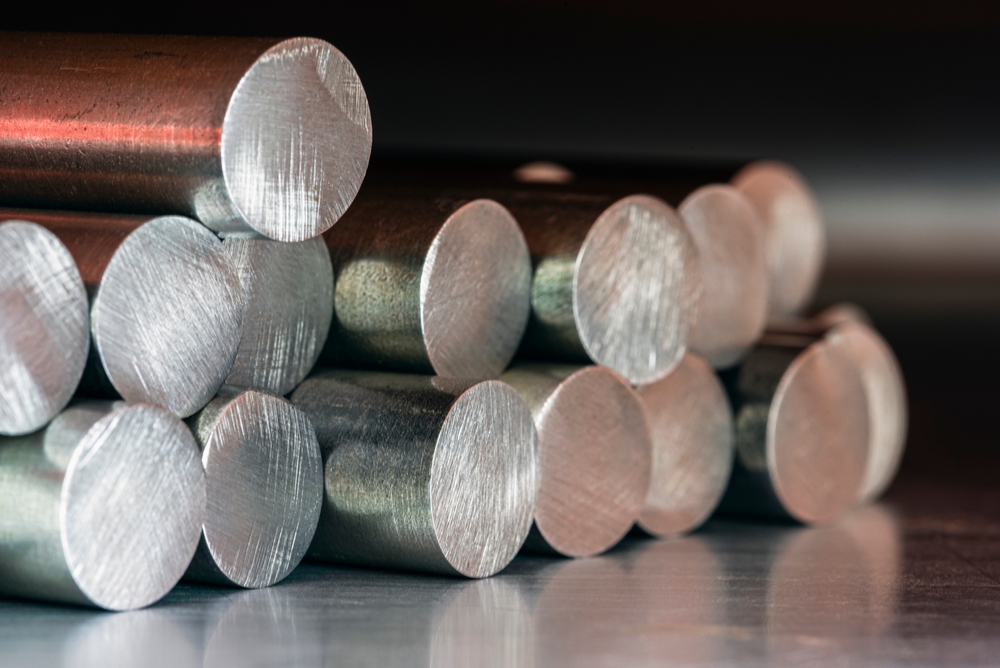
To achieve the right balance between quality, performance, and cost efficiency, manufacturers should evaluate steel based on the following factors.
Different steel grades are designed for different applications and should not be used interchangeably.
Key properties to evaluate include:
Selecting the appropriate grade helps control costs while reducing the risk of material failure during production and operation.
Modern manufacturing environments increasingly rely on automation and robotics, where micron-level precision is critical.
If steel dimensions exceed specified tolerance limits, the consequences may include:
Consistent dimensional accuracy can also significantly reduce maintenance costs over the long term.
High-quality steel should always be supplied with a Mill Test Certificate (MTC).
This documentation verifies:
Strong traceability systems help prevent low-grade material contamination and are often required for factories seeking ISO certification.
As a leading supplier of automotive-grade and industrial steel solutions, Toyota Tsusho offers a systematic sourcing process designed to reduce complexity for manufacturers.
1. Planning and Specification Development
Our specialists work closely with customers to determine the most appropriate steel grades, specifications, and procurement volumes.
2. Global Supplier Selection
We source and evaluate materials from leading manufacturers across:
ensuring customers receive the optimal balance of quality, reliability, and cost competitiveness.
3. Tax and Trade Optimization
Our experts analyze:
to ensure legal compliance while minimizing import costs.
4. Just-in-Time (JIT) Logistics
Our JIT delivery services help manufacturers:
We also support future-focused steel solutions, including:
to help manufacturers advance toward long-term sustainability objectives.
Selecting industrial steel that meets recognized standards not only improves product reliability but also reduces hidden costs associated with defects, rework, and future maintenance.
Partnering with a supplier that maintains a global sourcing network enables manufacturers to access materials that meet exact specifications and international quality standards.
Enhance every production line with steel that meets your exact requirements.
Toyota Tsusho (Thailand) provides comprehensive factory-grade steel sourcing services through our global procurement network, helping manufacturers secure the right materials with confidence, consistency, and efficiency.
For inquiries, please contact us at +66(0)2-825-5555.
A: Steel sourcing companies with global procurement networks provide access to a broader range of suppliers, stronger purchasing leverage, quality control support, logistics management, and import tax expertise. This allows manufacturers to focus on production while reducing procurement complexity.
A: Specialists evaluate Anti-Dumping (AD) regulations and applicable Free Trade Agreement (FTA) benefits for each country to ensure compliance while optimizing material costs.
A: OEM-grade steel typically requires certified quality documentation, including Mill Test Certificates, along with stricter controls over chemical composition, strength consistency, and manufacturing precision to meet automotive industry requirements.
A: JIT delivery reduces the need for large inventory holdings, lowers warehousing costs, minimizes material deterioration risks such as corrosion, and improves overall cash flow management.

 TTTC Audit