

21/08/2026
Key Takeaways
Choosing a steel supplier for your factory should not be based on purchase price alone. Manufacturers should consider the Total Procurement Cost, including steel quality, delivery capability, supply source stability, inventory management, and import and logistics costs. Substandard materials or late deliveries can increase costs and directly disrupt production continuity.
Selecting a partner with a diversified sourcing network and end-to-end Supply Chain management capabilities can help manufacturers control costs, mitigate risks, and improve long-term production planning. Having Alternative Sources is also important for responding to market volatility and unexpected disruptions.
Table of Content
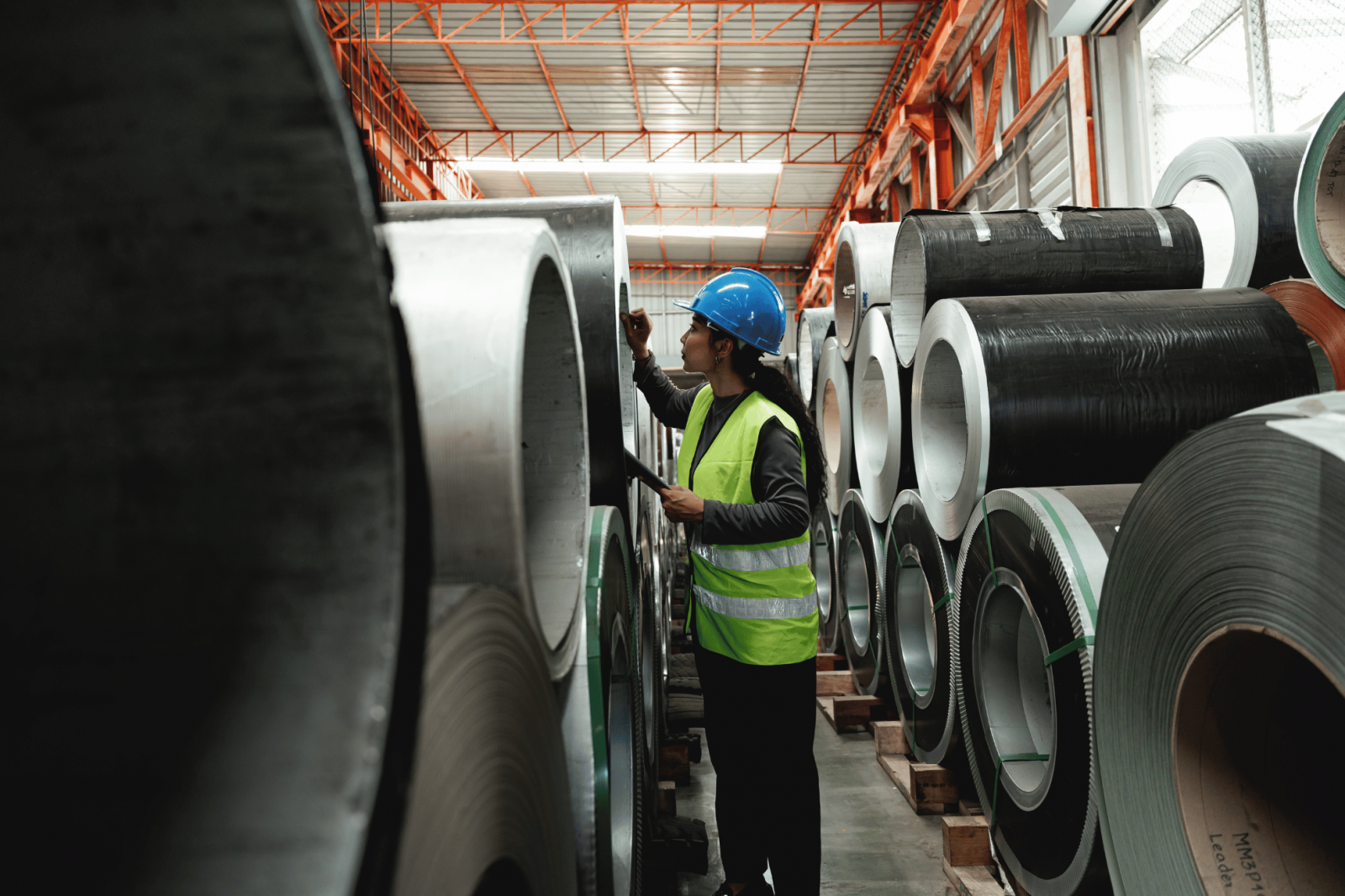
Steel procurement represents a significant cost for industrial manufacturers, particularly businesses that require a continuous supply of raw materials, such as the automotive, automotive parts, machinery, and metal manufacturing industries.
Choosing the right supplier therefore affects more than raw material prices. It directly influences product quality, Inventory, and production continuity.
The right steel supplier should therefore be evaluated beyond the quoted price. Manufacturers should consider the supplier's overall Supply Chain management capabilities to ensure that materials meet the required specifications, are supplied in appropriate quantities, and arrive at the factory when needed.
Unit price is an important procurement consideration, but the supplier offering the lowest price does not necessarily provide the lowest overall cost for the factory.
Additional costs can arise throughout the procurement process, including:
Procurement teams should therefore evaluate Total Procurement Cost alongside material prices to understand the actual cost across the Supply Chain and identify suppliers that deliver greater long-term business value.
Different types and grades of steel have different properties, particularly in industries with specific material requirements, such as automotive parts manufacturing.
A suitable supplier should be capable of sourcing materials that meet the required Specifications, supported by documentation that allows the manufacturer to verify material origin and quality.
Receiving steel that meets specifications from the beginning helps reduce quality risks, rework, and production waste—including Defect, Rework, and Scrap—that can create additional manufacturing costs
Meeting the required specification is only part of the equation. Consistent quality across individual production lots is equally important, particularly for manufacturers using Automation or operating processes with strict quality control requirements.
The right supplier should be able to provide supporting documentation, such as a Mill Certificate, as well as information that enables the factory to trace materials back to their production source.
This improves confidence in quality control throughout the manufacturing process.
Relying on a single source of raw materials can increase risk when disruptions occur in production capacity, transportation, or the broader Supply Chain.
A steel sourcing company with a network of manufacturers across multiple countries—such as Japan, South Korea, and China—can provide alternative options and help determine suitable supply sources based on:
A diversified sourcing network therefore provides more than price alternatives; it is also an important part of Supply Chain risk management.
For factories operating continuous production schedules, late raw material deliveries can affect both production plans and deliveries to customers.
Before selecting a supplier, manufacturers should evaluate its ability to plan and manage Lead Time, handle purchase orders, and maintain delivery accuracy so that raw materials are available according to the Production Plan.
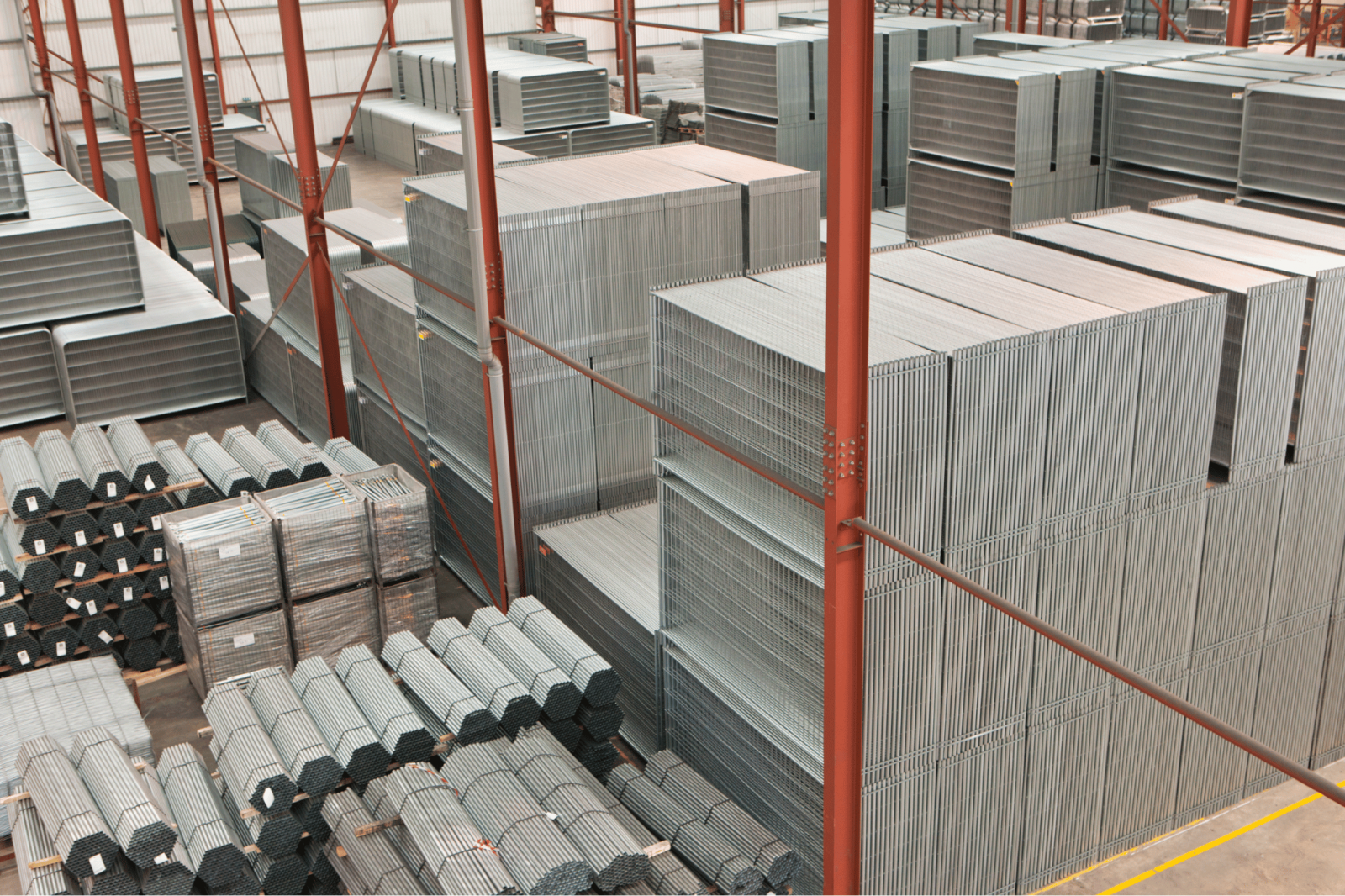
Ordering large quantities of steel to prevent material shortages can improve supply confidence. However, it can also increase storage costs, consume warehouse space, and tie up more working capital in Inventory.
Just-in-Time (JIT) Delivery is therefore another important capability to consider. JIT enables manufacturers to receive raw materials in quantities and at times aligned with actual production requirements.
This reduces the need to maintain large volumes of safety stock and supports more efficient Inventory management.
When sourcing steel internationally, procurement costs and processes involve more than material prices and freight costs.
Manufacturers must also consider:
Applicable requirements can vary depending on the product category, country of origin, manufacturer, or exporter.
Choosing a steel sourcing company with import knowledge and experience can help manufacturers review relevant requirements, plan import costs, and prepare appropriate documentation.
In particular, evaluating FTA benefits and applicable AD measures before selecting a supply source can reduce the risk of unexpected costs and support a more efficient import process.
A supplier capable of selling steel may be sufficient for short-term procurement requirements. However, manufacturers seeking long-term cost management and Supply Stability should consider a partner that can provide support beyond material sales.
This can include:
Connecting these processes through an end-to-end approach can reduce procurement complexity and create a more flexible Supply Chain
Buying steel directly from a Steel Mill may be suitable for manufacturers with high consumption volumes, clearly defined Specifications, and the internal capability to manage imports, Inventory, and Logistics independently.
In comparison, using a steel sourcing company can provide access to multiple manufacturers while supporting related processes such as volume planning, imports, storage, and delivery.
Therefore, neither approach is necessarily "better" in every situation. The appropriate sourcing model depends on each factory's production requirements, consumption volume, Specification complexity, and internal Supply Chain management capabilities.
Sustainable procurement cost reduction does not necessarily begin with finding the supplier offering the lowest price.
Instead, manufacturers should identify opportunities to improve efficiency throughout the Supply Chain, such as:
Considering these factors together allows procurement teams to move beyond Purchasing Price and toward Total Procurement Cost, providing a more complete picture of the true cost and value of steel sourcing.
Toyota Tsusho (Thailand) provides steel sourcing services for factories and manufacturing industries, connecting customers with a network of manufacturers and partners in Thailand and overseas to support sourcing strategies tailored to individual business requirements.
Our services cover the entire process—from defining requirements and Specifications to selecting production sources and sourcing and importing steel from countries including Japan, South Korea, and China. We also support FTA and AD management, Logistics, and Just-in-Time Delivery.
For manufacturers looking for factory-standard steel sourcing services or OEM steel sourcing services, working with a partner that understands the entire Supply Chain can expand sourcing options, reduce process complexity, and support long-term production continuity.
Learn more about Toyota Tsusho through our company profile video, explore our other Metal+ (Plus) businesses, or contact us at +66(0)2-825-5555.
A: Manufacturers should evaluate material quality and consistency, the supplier's ability to meet Specifications, sourcing network, Lead Time and delivery capabilities, Inventory management, and overall Supply Chain cost and risk management. Purchase price should not be the only consideration.
A: Direct purchasing may be suitable for manufacturers with high consumption volumes and the capability to manage related processes independently. A steel sourcing company can provide access to multiple production sources while supporting imports, Inventory, and Logistics, reducing the manufacturer's Supply Chain management burden.
A: JIT reduces the need to maintain large volumes of raw material inventory, helping manufacturers reduce storage space, Inventory costs, and working capital requirements. Effective JIT requires accurate planning and reliable delivery aligned with the Production Plan.
A: Having sourcing options across multiple suppliers or countries reduces dependence on a single source. If production capacity, Logistics, or Supply Chain disruptions occur, manufacturers have greater flexibility to adjust sourcing plans and reduce risks to production continuity.
A: An Alternative Source helps reduce risks from unexpected events such as production capacity constraints, transportation disruptions, natural disasters, or trade volatility. This gives manufacturers greater flexibility to maintain production continuity and strengthen Supply Chain risk management.
 TTTC Audit