

13/04/2026
Key Takeaways
Transitioning to commercial electric vehicles is a key strategy for organizations pursuing Net Zero goals. Effective commercial EV maintenance focuses primarily on preventive maintenance, including battery charge management, cooling system inspections, and chassis integrity checks for heavy-duty operations.
Compared with conventional internal combustion engine vehicles, BEVs eliminate many complex mechanical systems, reducing downtime and lowering long-term maintenance costs. In addition, integrating centralized data platforms such as an EV Management System with a unified dashboard enables more effective fleet management. Combined with 2nd Life Battery applications, organizations can maximize Total Cost of Ownership (TCO), improve energy utilization, and drive sustainable business growth.
Table of Content

Commercial EV maintenance focuses on three critical areas:
Because electric drivetrains eliminate much of the complexity associated with conventional engines, maintaining these three areas consistently is the key to extending vehicle lifespan, reducing downtime, and maximizing long-term operating efficiency.
Compared with traditional diesel-powered vehicles, Battery Electric Vehicles (BEVs) require significantly less mechanical maintenance.
There are no:
that require routine replacement.
This difference creates substantial benefits for transportation businesses in two key areas:
Reduced Maintenance Costs
With fewer wear-and-tear components, routine maintenance expenses are significantly lower.
Industry data indicates that maintenance costs for commercial EVs are typically 30–40% lower than diesel vehicles, and in some cases can be reduced by as much as 50%.
A Shift from Repair to Prevention
Commercial EV maintenance relies heavily on Preventive Maintenance, supported by software platforms and vehicle sensors.
This enables operators to identify potential issues before failures occur, reducing unplanned downtime and improving fleet reliability.
In passenger transportation, safety and service reliability are top priorities.
For electric bus operators, maintaining vehicle readiness requires special attention to several key systems.
The battery is both the most important component and the largest cost element of an electric vehicle.
Maintaining an appropriate State of Charge (SOC) and avoiding frequent deep discharges help reduce battery degradation and support longer operating ranges.
Fleet operators should also continuously monitor State of Health (SOH) through fleet management software.
Commercial EV batteries that receive proper maintenance typically achieve service lives of eight years or more before SOH falls below 80%.
In Thailand's climate, air conditioning is one of the largest energy consumers in an electric bus.
Routine inspection of:
helps improve passenger comfort while maximizing energy efficiency and vehicle range.
Because battery packs add significant weight to electric buses, vehicle weight distribution differs from conventional buses.
Regular inspection of:
helps reduce wear and improve driving safety.
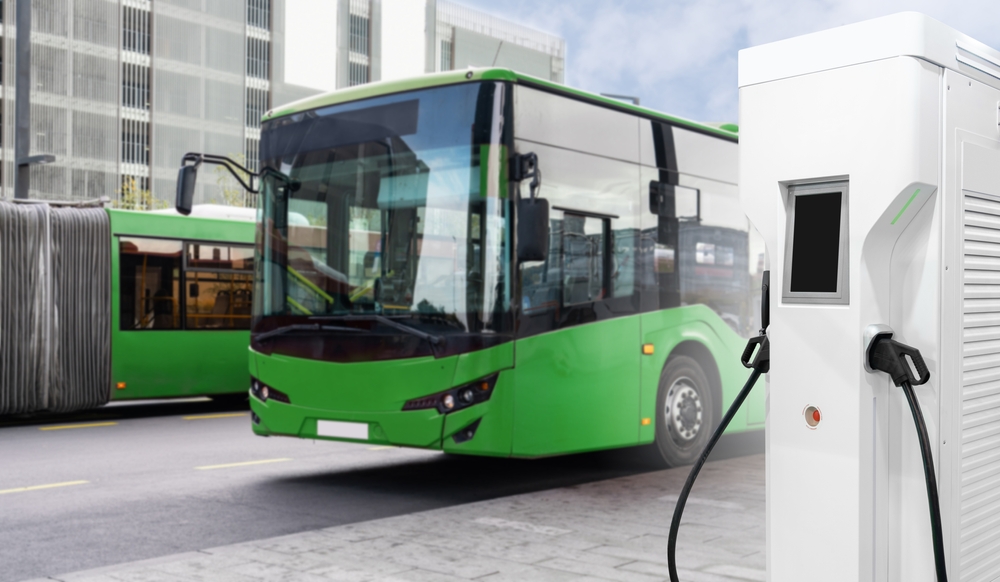
For logistics and freight operations that transport heavy loads, maintenance priorities differ slightly from passenger transportation.
Although electric motors require minimal maintenance, heavy-duty operations generate substantial heat.
Routine inspection of motor and inverter cooling systems is essential to prevent overheating and unexpected power limitations.
Electric trucks utilize Regenerative Braking Systems, which slow the vehicle while recovering energy and returning it to the battery.
This significantly reduces brake pad wear.
However, hydraulic braking systems remain critical for heavy-load applications, making regular inspection of:
an essential maintenance requirement.
Electric truck chassis must support both payload weight and battery system weight.
Routine inspection of structural connections and chassis integrity helps prevent long-term structural damage and supports safe operation.
Managing electric vehicle fleets can no longer rely solely on manual recordkeeping.
Toyota Tsusho has developed a comprehensive ecosystem that supports operators through integrated hardware and software solutions.
Centralized Data Visibility Through One Dashboard
Vehicle operating data and maintenance records can be consolidated into a single interface through an EV Management System, providing complete visibility across the fleet.
Improved Efficiency and Reduced Resource Waste
Fleet operators can optimize charging schedules, improve energy utilization, and minimize unnecessary resource consumption through intelligent data-driven planning.
Circular Economy and 2nd Life Battery Applications
When battery SOH declines below approximately 70–80%, batteries may no longer be ideal for vehicle propulsion applications.
However, they can still deliver substantial value through lower-power applications.
One example is EcoReefer, an innovative temperature-controlled transport solution powered by repurposed EV batteries instead of diesel engines. This reduces CO₂ emissions while extending battery value through practical Circular Economy applications.
Transitioning to commercial electric vehicles is not simply an investment in vehicles—it is a long-term strategy for optimizing Total Cost of Ownership (TCO) through effective maintenance and fleet management practices.
Toyota Tsusho (Thailand) is more than a multi-brand importer and distributor of electric buses and electric trucks.
We are a strategic partner specializing in next-generation mobility solutions, transportation systems, and integrated energy management. Our services support organizations throughout every stage of their electrification journey—from vehicle procurement and fleet management to renewable energy solutions for industrial operations.
For inquiries and additional information, please contact us at +66 (0)2-825-5555.
A: Charging multiple commercial EVs simultaneously requires effective load management to prevent excessive electrical demand. Operators should implement charging management software to schedule charging during lower-cost Off-Peak periods and routinely inspect charging connectors, cables, and charging stations to prevent overheating and electrical arcing.
A: Fleet managers should monitor battery State of Health (SOH) through management software. When SOH falls below the recommended threshold—typically between 70% and 80%—battery replacement or repurposing for 2nd Life Battery applications should be considered.
A: Yes. EV insurance policies place significant emphasis on the value of high-voltage battery systems. Fleet operators should ensure coverage includes battery damage, electronic systems, and charging equipment where applicable.
A: Drivers should never attempt to repair high-voltage systems or open battery enclosures themselves. They should follow established safety procedures, shut down vehicle systems where appropriate, and immediately contact authorized emergency support services.

 TTTC Audit