

26/01/2026
Key Takeaways
Table of Content
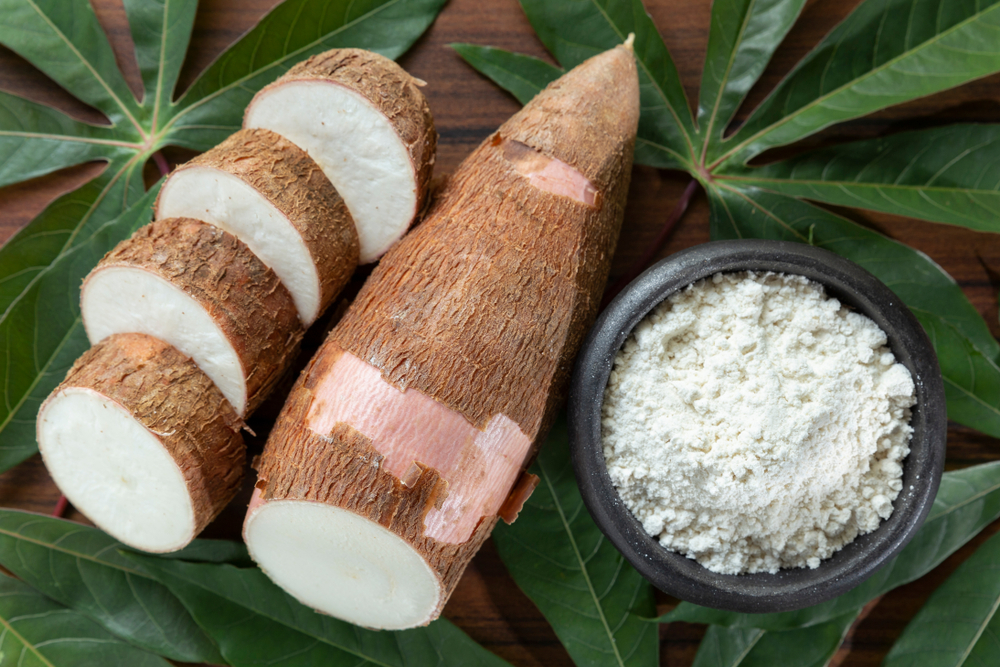
Modified tapioca starch is developed from native starch through structural modification processes that enhance its functionality. This makes it ideal for industrial food manufacturing, where precision, consistency, and product reliability are essential.
Modified starch is starch that has undergone physical, chemical, or enzymatic modification to provide specific functional properties for targeted applications. One of its primary advantages is improved stability and durability, helping solve common challenges in industrial-scale food production.
Starch modification can be categorized according to the primary production process:
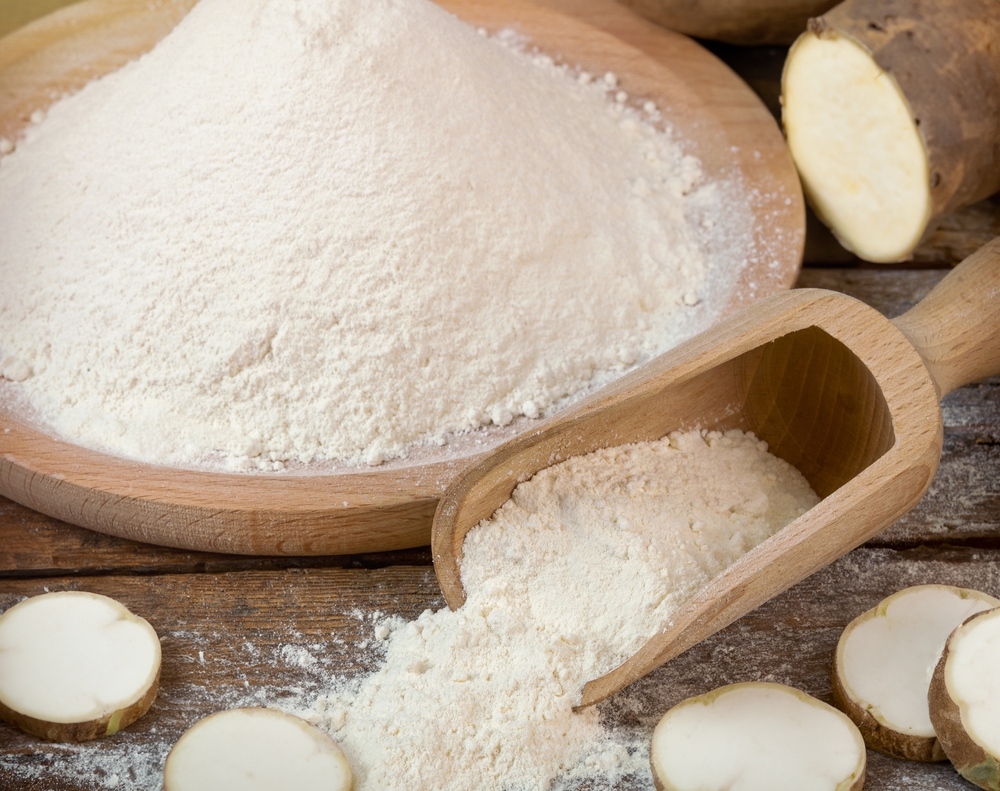
Modified tapioca starch is widely used to overcome the limitations of conventional starch while improving product quality in multiple ways.
One of the most common challenges in frozen foods is water separation after freeze-thaw cycles, which negatively affects both appearance and texture.
Modified starch helps retain water within its structure, minimizing syneresis and preserving product smoothness and softness, even after repeated freezing and reheating.
Modified tapioca starch functions as both a binder and thickening agent while contributing to a more uniform food structure.
In sauces, it enhances smoothness and gloss. In processed meat products, it improves elasticity and the desirable springy texture consumers expect.
In manufacturing processes involving high temperatures, such as retort processing in cans, bottles, or heat-resistant pouches, as well as acidic products like sauces and dressings, conventional starch often degrades, resulting in reduced viscosity or phase separation.
Modified starch, however, maintains structural integrity and stable viscosity, resists lump formation, and preserves product quality throughout its shelf life.
Modified starch can be applied across a wide range of food categories, with each application utilizing specific functional properties tailored to the product's manufacturing requirements.
Modified starch helps bread remain soft for longer periods by reducing staling. In snack products, it contributes to controlled expansion and distinctive crispness.
Products such as meatballs, sausages, and Vietnamese pork rolls require modified starch to bind meat and water effectively, improve elasticity, prevent crumbly textures, and reduce production costs while maintaining product quality.
In yogurt and thick beverages, modified starch creates a richer mouthfeel and enhanced eating experience.
For sauces, it helps maintain a smooth texture, prevents separation, and improves visual appeal through increased gloss and consistency.
Choosing modified tapioca starch not only improves product quality but also strengthens competitiveness in today's food market.
By helping foods maintain their structure and quality for longer periods, modified starch reduces product spoilage and extends shelf life. This improves inventory management and minimizes losses during production and distribution.
Industrial production relies on high-speed mixers and pumps that generate significant shear forces.
Modified starch is specifically engineered to withstand these conditions, maintaining stable viscosity without causing equipment issues. This enables smoother operations and more consistent production outcomes.
As consumers become increasingly health-conscious, physically modified starches developed without chemical processing are gaining popularity.
These solutions align with Clean Label trends by offering simpler ingredient declarations while still delivering high-performance functionality in food applications.
For food manufacturers seeking to develop competitive and sustainable product formulations, selecting high-quality modified tapioca starch tailored to specific applications is a critical factor in improving both production efficiency and long-term value.
As a supplier of modified tapioca starch for food manufacturing facilities, Toyota Tsusho (Thailand) provides high-quality ingredients specifically designed to meet industrial production requirements. Supported by expert consultation, manufacturers can select the most suitable modified starch for their formulations and processes, ensuring production stability, consistent product quality across every batch, and sustainable market competitiveness.
Expand your lifestyle and food-related business opportunities with Toyota Tsusho's comprehensive solutions—from premium food ingredients and modified tapioca starch to ready-to-eat products, insurance services, and advanced medical innovations. Explore our other lifestyle solutions and learn more about us via company profile video.
For inquiries or additional information, please contact us at +66 (0)2-825-5555.
A: Modified starch helps maintain product structure and moisture, preventing separation, water release, and texture deterioration. This reduces quality degradation during storage and effectively extends product shelf life.
A: Native tapioca starch has not undergone structural modification and may have limitations in resistance to heat, freezing, and mechanical shear. Modified tapioca starch is engineered for greater stability, enabling better texture retention, viscosity control, and product quality throughout industrial manufacturing processes.
A: Selection should be based on product type, manufacturing process, and required functionality. For frozen foods, starches with strong freeze-thaw stability are recommended. For sauces and dressings exposed to high temperatures, starches with acid resistance and stable viscosity are more suitable for maintaining product quality throughout shelf life.
A: Modified starch improves formulation stability, reducing issues such as separation and inconsistent viscosity during production. It also withstands mechanical agitation and heat in processing equipment, helping reduce waste and improve product consistency.
A: Clean Label modified tapioca starch is produced through physical modification processes that avoid the use of chemical treatments. It supports consumer demand for simpler ingredient declarations while maintaining texture, stability, and functionality comparable to conventional modified starch products.

 TTTC Audit