

24/09/2026
Importing steel for manufacturing involves much more than choosing a country of origin or a manufacturer offering an attractive price. Manufacturers need to consider technical specifications, volume, sourcing options, lead times, customs classification, rules of origin, Free Trade Agreements (FTAs), and applicable Anti-Dumping (AD) measures before planning logistics and delivering materials to the production line.
Japan, South Korea, China, Taiwan, and India each offer a range of steel products and manufacturers. Rather than selecting a sourcing location based solely on the country, procurement teams should compare steel quality and specifications, total cost, sourcing lead time, commercial terms, and Supply Chain risks to determine the most suitable option for each factory.
Table of Content
Importing steel is an important sourcing option for manufacturers that require raw materials meeting specific technical requirements, particularly in the automotive, automotive parts, machinery, and other industries requiring specialized steel grades.
However, the actual cost of importing steel extends beyond the price stated in a quotation. Manufacturers also need to consider transportation costs, duties, trade measures, Inventory, and potential delivery risks.
For this reason, planning to import steel from Japan, South Korea, China, Taiwan, or India should take the entire process into account—from the source of supply until the material is ready to enter the production line
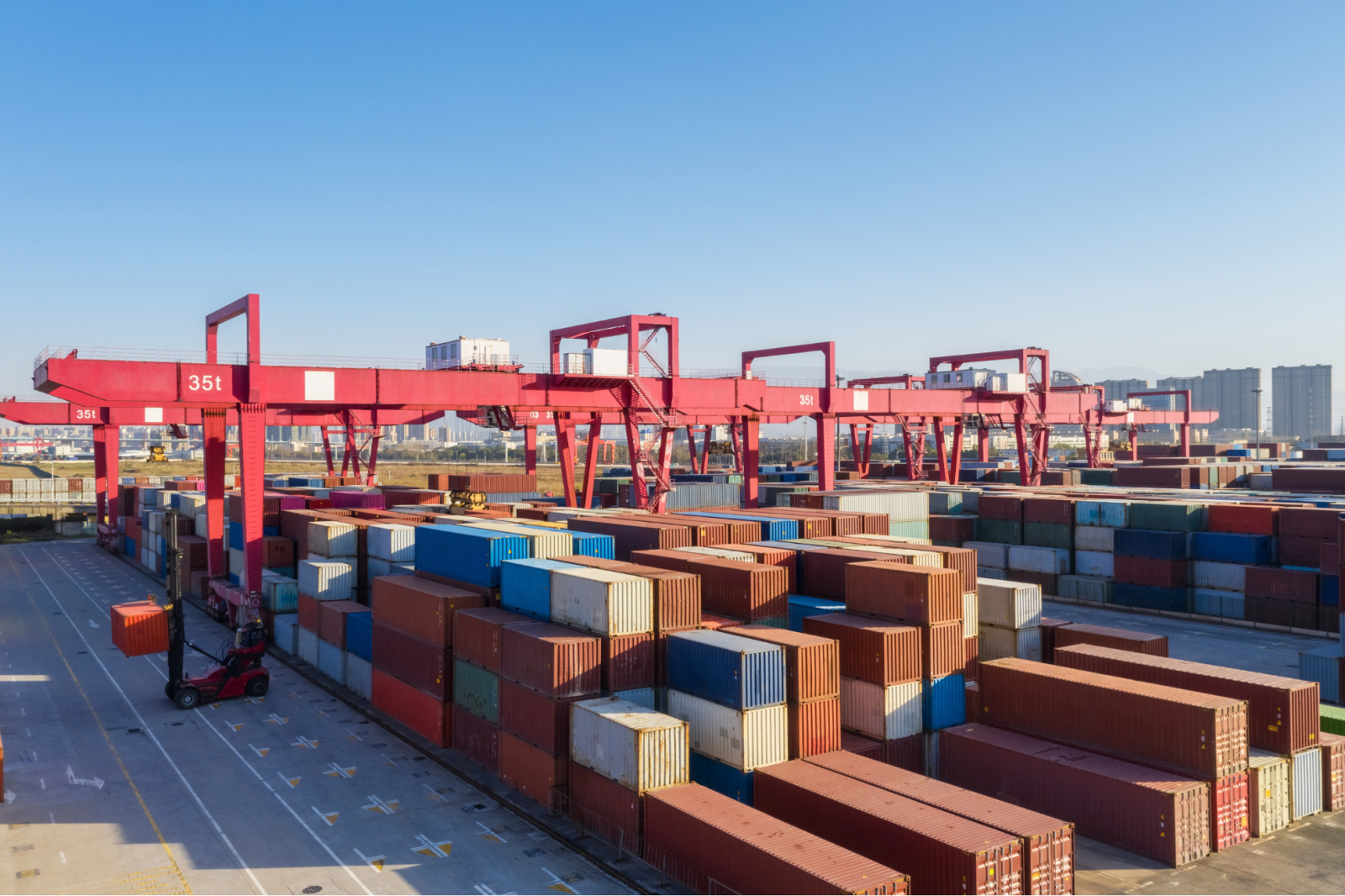
Each factory has different requirements in terms of steel grade, dimensions, properties, and volume. Certain types of steel may also need to comply with specific requirements established by manufacturers or Original Equipment Manufacturers (OEMs). International sourcing can therefore broaden access to manufacturers and steel products that meet specific production requirements.
At the same time, sourcing from more than one country enables procurement teams to compare costs and delivery lead times while developing Alternative Sources to reduce excessive dependence on a single manufacturer or country.
Rather than asking only, “Which country offers the lowest price?”, manufacturers should consider, “Which sourcing option best fits our specifications, total cost, and production plan?”
The country of origin alone should not be used to assume that one source always provides better quality or lower prices. Steel properties, prices, and purchasing conditions depend on the type of steel, manufacturer, order volume, and timing.
Before making a sourcing decision, procurement teams should compare at least five key factors:
Applicable trade measures should also be reviewed for each product, as certain steel products originating from specific countries may be subject to Anti-Dumping (AD) measures.
For example, the Department of Foreign Trade (DFT) database includes AD measures applicable to hot-rolled steel products originating from several countries, including Japan, South Korea, and India, as well as measures covering certain steel wire originating from China. Applicable rates and conditions vary according to the product and manufacturer or exporter.
The process begins by clearly defining requirements such as grade, dimensions, thickness, mechanical properties, surface quality, required volume, applicable standards, and required quality certification.
The more clearly these requirements are defined, the easier it becomes to compare manufacturers across different countries under equivalent conditions and reduce the risk of receiving materials that do not meet production requirements.
Once the requirements are established, the next step is to identify and compare manufacturers capable of supplying steel according to those specifications, whether from Japan, South Korea, China, or other sources.
In addition to material price, manufacturers should consider quality consistency, production capacity, Minimum Order Quantity, delivery lead time, and the supplier's ability to support long-term demand.
Before importing, manufacturers should clearly define the documentation required for quality verification, such as a Mill Test Certificate (MTC), according to the product requirements. An MTC helps verify material information and supports traceability.
For OEM steel or materials subject to specific requirements, verifying documentation against factory requirements before shipment can help reduce the risk of receiving materials that cannot be introduced into the production process as planned.
Customs classification is an important factor in determining applicable duty rates and regulatory requirements. The Thai Customs Department provides both an electronic tariff classification search system and an e-Advance Tariff Ruling service for cases where classification certainty is required before importation.
The next step is to determine whether the product is eligible for preferential treatment under an applicable Free Trade Agreement (FTA). This requires reviewing the relevant rules of origin and supporting documentation.
For example, goods originating from Japan may qualify for preferential treatment under the Japan-Thailand Economic Partnership Agreement (JTEPA) when the applicable requirements are satisfied. The agreement also specifies requirements relating to the Certificate of Origin (CO), and Thailand and Japan have implemented electronic Certificate of Origin (e-CO) exchange under JTEPA.
At the same time, Anti-Dumping measures should be reviewed separately from FTA eligibility, because AD is a trade-remedy measure rather than a preferential tariff arrangement and may specifically apply to certain steel products originating from particular countries
Once the purchase order has been confirmed, manufacturers need to plan the entire lead time—from manufacturer preparation and international transportation to customs clearance and domestic transportation.
Procurement teams should therefore coordinate with production and logistics teams to determine an appropriate Inventory level: avoiding excessive stock that increases storage costs while maintaining sufficient materials to accommodate potential variations in transportation lead times.
The final step is to connect sourcing activities with the factory's production plan.
Just-in-Time (JIT) Delivery can help reduce the need to hold large quantities of raw materials, but it requires accurate planning and a reliable Supply Chain.
The ultimate objective is therefore not simply to “import steel into the country.” It is to ensure that the right material is available in the required quantity and at the right time for the production line.
.png)
FTA and Anti-Dumping measures are two separate considerations and should be reviewed independently.
An FTA may provide preferential tariff treatment when the product complies with the applicable rules of origin and other requirements under the relevant agreement. In contrast, Anti-Dumping (AD) is a trade-remedy measure used by an importing country in response to dumped imports that cause or threaten to cause injury to the domestic industry, as explained by Thailand's Department of Foreign Trade.
Importantly, manufacturers should not determine whether AD applies based solely on the country of origin. The assessment should consider the product type, customs classification, country of origin, manufacturer or exporter, and applicable measures in effect at the time of importation.
The DFT database demonstrates that even within the same category of steel products, applicable AD rates may differ depending on the country and exporter.
International steel sourcing involves factors that manufacturers cannot fully control, including transportation lead times, manufacturer capacity, and changes in trade measures. Risk management should therefore begin before the purchase order is placed.
One approach is to establish Alternative Sources while planning appropriate sourcing lead times and Inventory levels. Manufacturers should also verify customs requirements and trade measures for each product using current information rather than relying on conditions from previous imports, as applicable measures may be reviewed or changed.
For sourcing related to automotive components or manufacturers, establishing clear supplier selection criteria at the source can provide an additional layer of Supply Chain risk management.
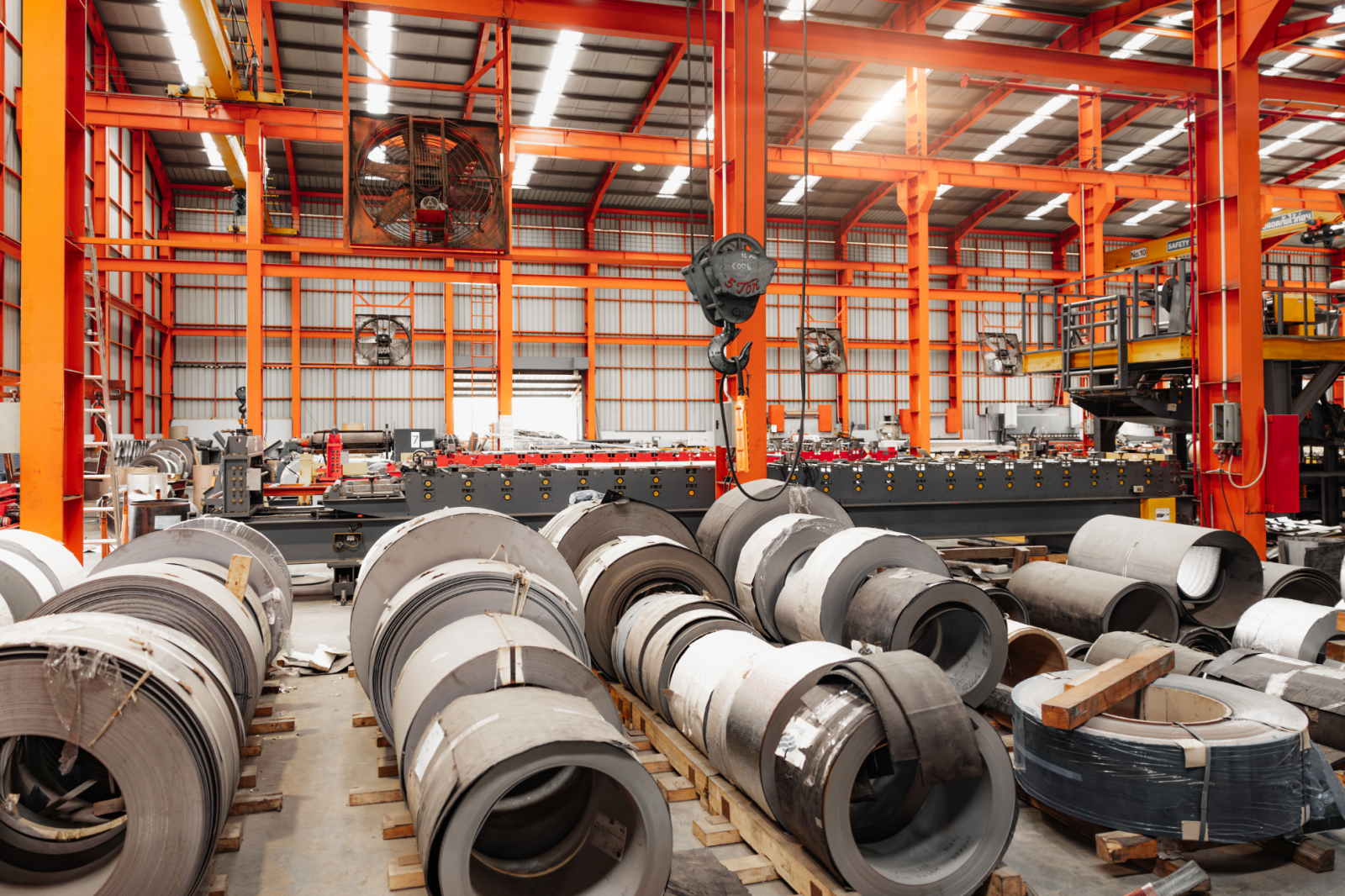
Toyota Tsusho (Thailand) provides end-to-end steel sourcing services for manufacturers, supported by a network of manufacturers and partners across multiple countries, including Japan, South Korea, China, Taiwan, and India. This network expands sourcing options and enables supply sources to be selected according to each factory's Specifications, required volume, and production requirements.
Beyond raw material sourcing, Toyota Tsusho's services cover import management, FTA and AD considerations, customs procedures, logistics, and delivery to the factory. This integrated approach supports systematic management of quality, cost, and supply continuity, while reducing the complexity associated with international steel sourcing.
For manufacturers looking for factory-standard steel sourcing services or a steel import company for automotive manufacturing, Toyota Tsusho combines its sourcing network and procurement expertise to support sourcing plans tailored to specific business requirements.
For more information, contact Toyota Tsusho at 02-825-5555.
Learn more about Toyota Tsusho through our company introduction video and explore our other businesses.
A: The sourcing decision should not be based on country alone. Manufacturers should compare steel grade and specifications, manufacturer capabilities, price, Minimum Order Quantity, delivery lead time, logistics costs, duties, and applicable trade measures to determine the most suitable source for their factory.
A: Yes. Customs classification should be verified because it affects applicable duty rates and product requirements. The Thai Customs Department provides a tariff classification search system as well as an advance tariff classification service for cases requiring clarification before importation.
A: No. Whether a steel product is subject to AD measures depends on the product type, customs classification, country of origin, and conditions specified in the applicable measure. Manufacturers should therefore check the current DFT database and relevant notifications before importing.
A: Not necessarily. Preferential treatment depends on whether the product is eligible under the relevant agreement and complies with the applicable rules of origin and documentary requirements. Eligibility should therefore be verified for each product and agreement before importation.
References
 TTTC Audit